VINATAP JOURNAL
Coco Coir vs Rockwool: Properties, Preparation and Disposal
How coco coir and rockwool compare on water and air, pH, preparation, reuse and disposal, and what a switch means for a buyer.
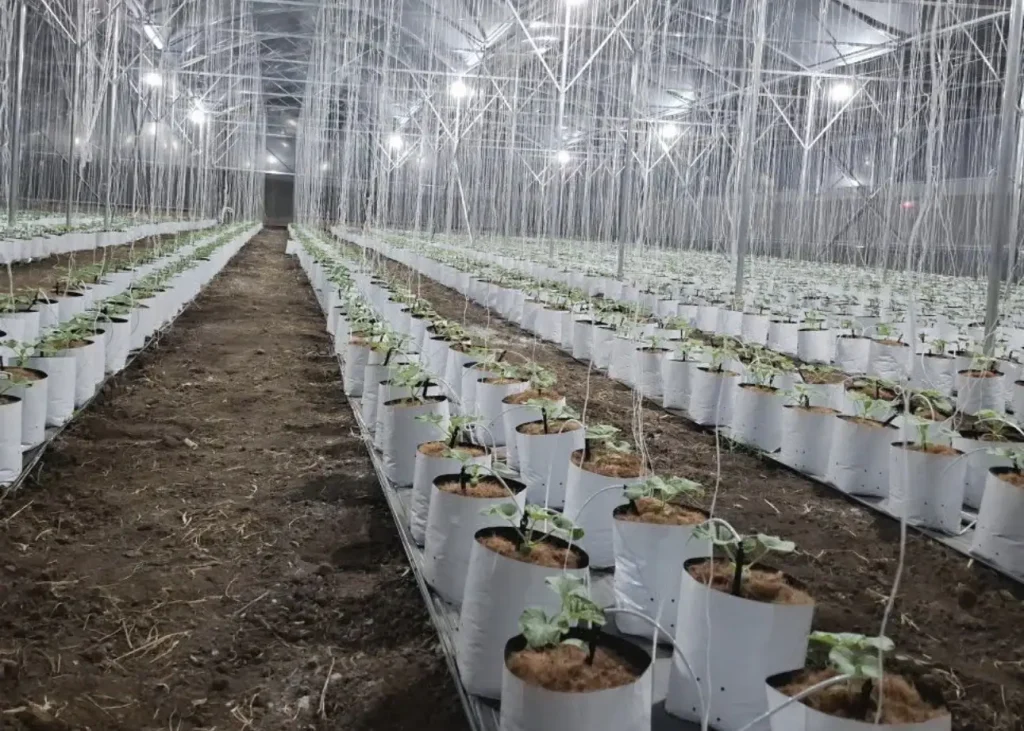
Coco coir and rockwool are the two substrates most often used in slabs and blocks for drip-irrigated crops. Both hold water well and leave air for the roots. They differ in origin, in how they must be prepared, and in what happens to them after the crop. This comparison uses published extension sources and ends with what each choice means for a buyer.
Coco coir vs rockwool at a glance
| Property | Coco coir | Rockwool |
|---|---|---|
| Origin | Coconut husk, a plant by-product | Granite or limestone, melted and spun into fibers |
| Water and air | Holds moisture very well with good aeration | Holds a lot of water; about 18–25% air |
| pH | 5.5–6.8 | Starts at about 7–8 |
| Preparation | Wash out salts; hydrate if compressed | Condition to the manufacturer’s instructions and the crop-specific pH target |
| After use | Biodegradable | Does not biodegrade |
| Reuse | Listed as short-lived | Reuse depends on structural condition, crop hygiene and the manufacturer’s instructions |
| Handling | Control dust and follow the product handling guidance | Dust can irritate the skin |
| Cost | Low to medium | Medium |
The rockwool column, the cost and reuse rows and the coir aeration row are from Oklahoma State University Extension. The coir pH range is from UF/IFAS publication EP623.
Where coco coir needs care
- Salts. Oklahoma State warns that poorly processed coir can be high in salinity and should be washed. Buy washed coir with a stated EC limit and method.
- Calcium and magnesium. The same source notes that these usually need to be added to coir. Buffered coco coir is treated with calcium at the factory.
- Recirculating systems. The cited UF/IFAS guide cautions against coir in recirculating systems. Assess the actual coir grade, filtration, return-water treatment and nutrient management with the system designer before choosing a closed-loop application.
Where rockwool needs care
- pH conditioning before planting, and adjustment during the crop.
- Disposal. Oklahoma State describes disposal as an environmental problem because the material does not biodegrade, and notes that its use has been declining.
- Handling. Wear gloves and avoid the dust.
What the choice means for a buyer
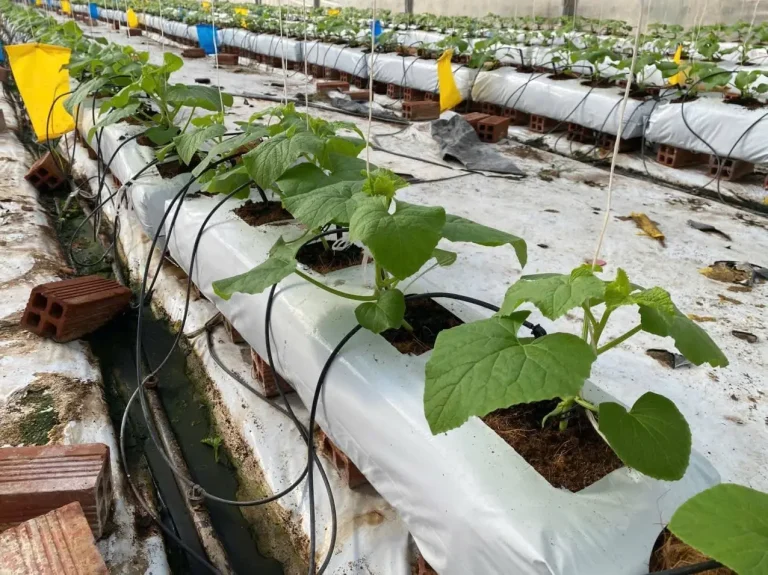
A grower moving from rockwool slabs to coir changes the slab and reviews the feed, since coir interacts with calcium, magnesium and potassium while rockwool starts at a high pH. Compressed coco slabs must be hydrated and checked before planting, and the used material is biodegradable. The points to settle are the grade (washed or buffered), the slab dimensions and the drainage pattern.
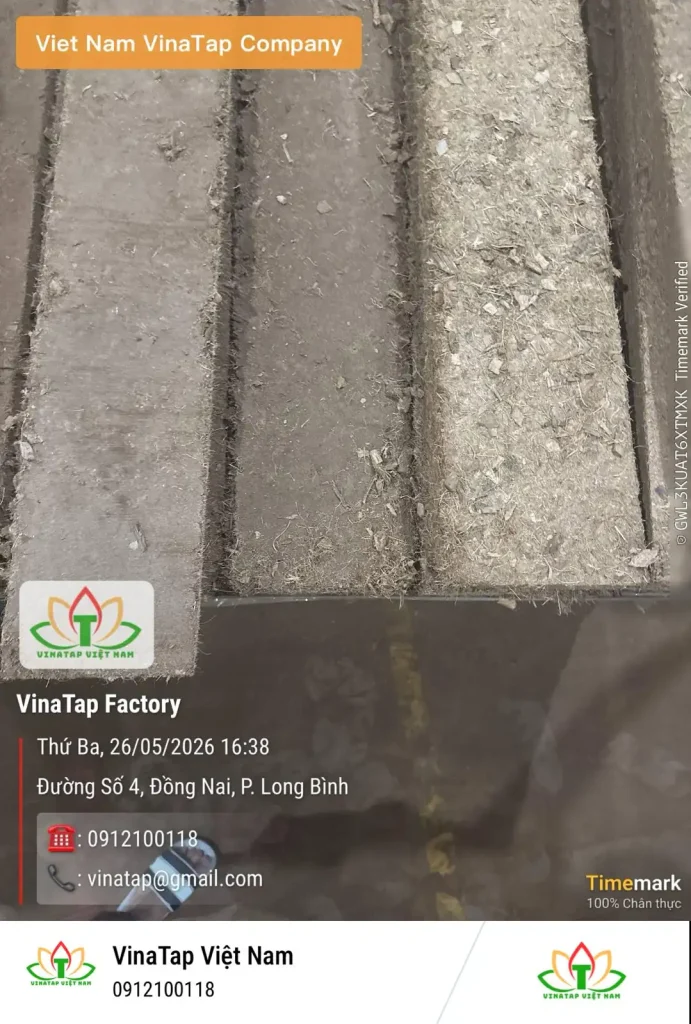
VinaTap makes coco slabs and grow bags 100 cm long and 12–30 cm wide, in cocopeat, husk chips or blends, washed Low EC or buffered, and a ready coco perlite mix 70/30 for pots. See also coco coir for hydroponics and growing in coco.
Ask about a product in this article
We have included this page in your enquiry. Add your product specification, quantity and destination port before sending.