VINATAP JOURNAL
Irish button mushrooms: what peat-alternative casing trials actually show
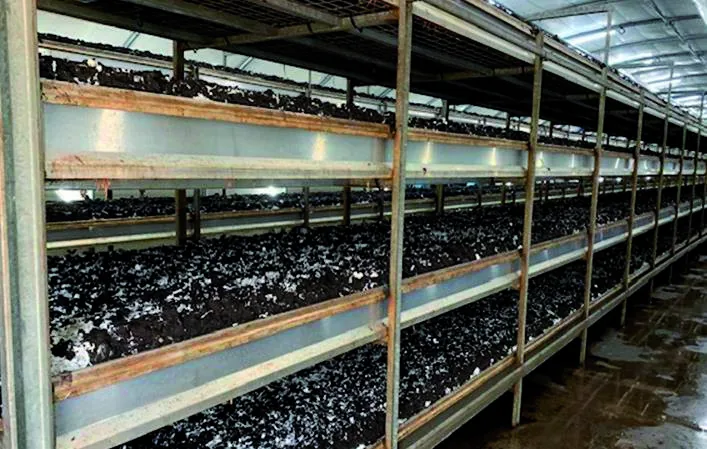
In one Dublin experiment, the observed yield from one bark-based casing was not statistically different from that of the peat controls. In a second experiment using a different bark batch, the bark treatments missed the first picking flush and finished with lower total yields. That difference is why timing and consistency matter alongside the weight of the crop.
In its Achievements 2025 report (p. 42), Teagasc says three Irish farms accounting for 7% of national mushroom production used peat-free casing in 2025. The report does not identify what those farms used in their casings. It is evidence that peat-free casing was in commercial use, not that Irish farms had adopted coir.
The casing is not the compost
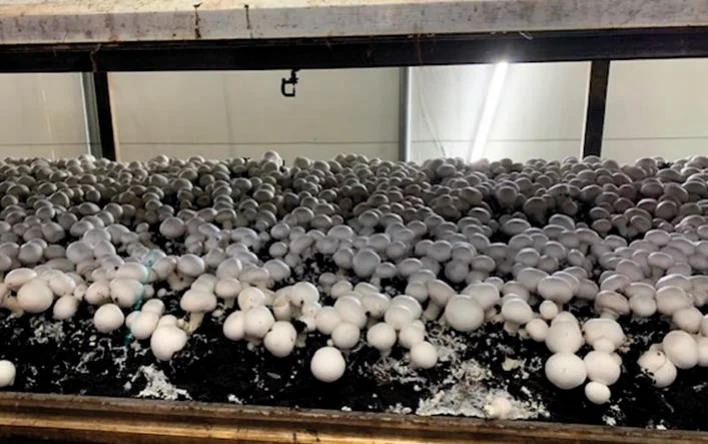
Casing is the layer placed over the compost in commercial button mushroom production. The compost supports the growth of the fungus; the casing helps provide the conditions for mushrooms to form and serves as a water reserve as they develop. A material that works in a nursery pot is not necessarily suitable for this job. An ingredient name, a water-holding value at filling or a pH result cannot tell a grower how the layer will behave over successive flushes. Teagasc’s mushroom production overview explains the distinction.
What the Irish studies show
The 2025 Teagasc and University College Dublin study by Gabrielle Young and colleagues compared locally sourced Sitka spruce bark casings with commercial peat controls. The bark batches differed visibly in particle size. Some first-flush mushrooms in the first experiment were cleared without being weighed, leaving fewer replicates for that comparison. The study did not isolate particle size as the cause, test coconut coir or show that the result would hold across Irish commercial farms.
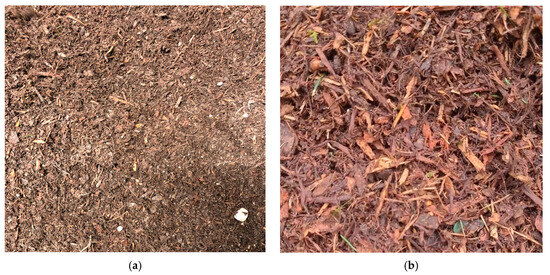
A separate February 2026 laboratory study by Young and colleagues tracked how peat and bark casing changed during cropping. Repeated X-ray scans showed differences in pore structure in small experimental cultures. The study did not test a full third harvest flush. A May 2026 Teagasc conference abstract describes sensors used to track water availability through a flush and recovery after irrigation. It reports provisional findings from peat-reduced trials and describes ongoing peat-free work. Neither study validates a coconut-based casing or provides a universal irrigation setting.
Where coir fits in the evidence
In two experiments published in 2023, researchers in Türkiye found promising yields for some casings made with spent coconut fibre. That study does not show that virgin washed pith, a particular supplier’s grade or a particular Irish farm’s casing would perform the same way.
When comparing research, look for first-flush timing and marketable yield through the full crop, results for an independent ingredient batch, and a side-by-side comparison with the grower’s usual casing. A yield result does not answer whether a material meets a farm’s food-safety and supplier approval requirements. These studies do not establish that virgin coir is suitable as a mushroom casing. The Teagasc Beyond Peat project tracks ongoing Irish research.
This article reports research only. VinaTap does not offer or validate mushroom casing through this guide.