VINATAP JOURNAL
Growing in Coco: Buffered Coco Coir and 70/30 Coco Perlite
How growing in coco works: why buffered coco coir matters, what a 70/30 coco perlite mix changes, which format to buy and what to check on delivery.
Growing in coco means raising a crop in coco coir instead of soil and feeding it with a nutrient solution at every irrigation. Buffering and perlite proportion are two starting choices; crop, container geometry, water quality and irrigation management also affect the result. This guide explains both, using published extension sources and the way the VinaTap factory prepares the material.
What coco coir does in the root zone
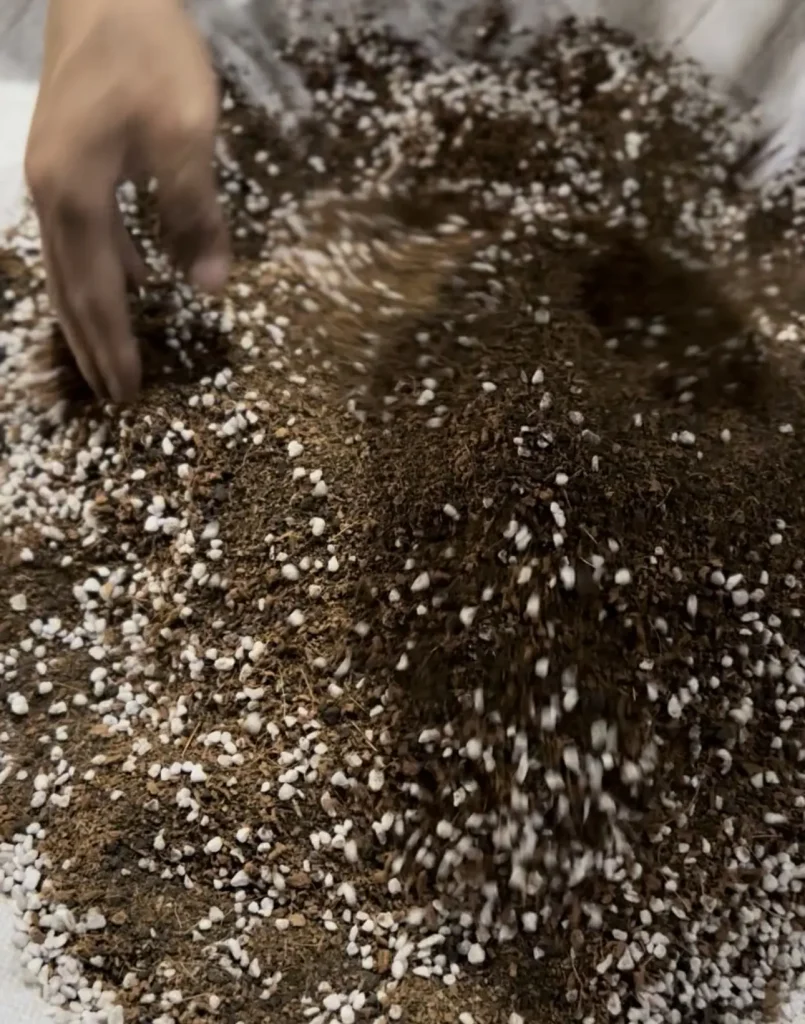
Coco coir holds water well and still leaves air around the roots. UF/IFAS publication EP623 gives its pH as 5.5 to 6.8 and notes that fine coir holds more water while chunkier coir has more pore space. Coir also has cation exchange capacity, which means the fibers hold nutrients such as potassium and release them later.
That last property is the reason preparation matters. Oklahoma State University Extension warns that poorly processed coir can be high in salinity, is rich in sodium and chlorine, and should be washed; it adds that calcium and magnesium usually need to be added.
Why buffered coco coir
Washing removes the salts dissolved around the fibers. It does not remove the potassium and sodium held on the fibers themselves. When a calcium-rich feed arrives, unbuffered coir takes calcium and magnesium out of the solution and releases potassium and sodium, so the plant receives a different feed from the one you mixed.
Buffering does that exchange at the factory. In a 2015 University of Peradeniya leaching trial, the best-performing buffer left about 70% less available potassium and 49–63% less available sodium than the other two treatments, one of which was plain water (Ranaweera, Dharmakeerthi and Gunasena, 2015).
At VinaTap the cocopeat is washed four times with fresh bore-well water, treated with calcium nitrate, rested for 24 hours and rinsed three times. Washed and buffered grades are both supplied at EC below 0.4 mS/cm and pH 5.5–6.5, measured on a 1:1.5 extract by volume. See buffered coco coir for the full process.
Why 70/30 coco perlite
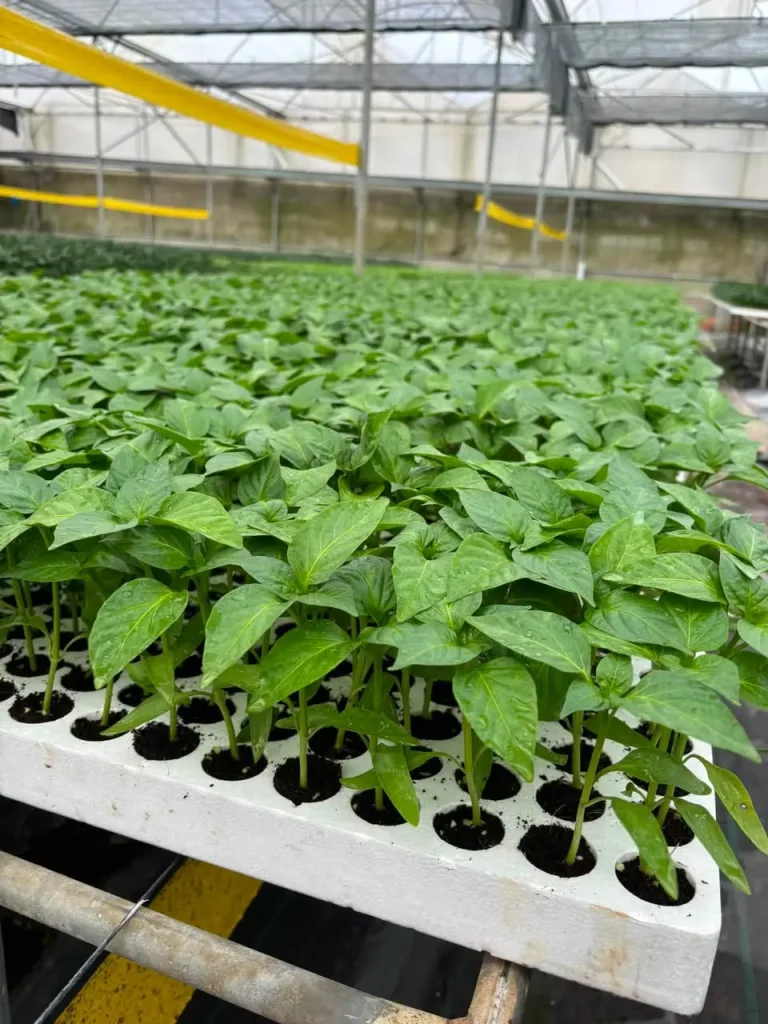
Perlite is a volcanic mineral expanded by heat into light, porous granules. Oklahoma State University Extension describes it as having one of the best oxygen retention levels of all growing media. Blended into coir it adds air space and speeds drainage; the more perlite in the mix, the less water each pot holds and the sooner it needs the next irrigation.
| Medium | What it gives | Typical choice for |
|---|---|---|
| 100% coco coir | Generally greater water retention with the same coir grade and container | Slabs and grow bags, growers who irrigate less often |
| 70/30 coco perlite | More air and faster drainage | Pots and fabric pots with frequent drip fertigation |
| 50/50 coco perlite | Typically more aeration and less water retention than the same coir with less perlite | Systems whose measured water use and drainage justify this blend |
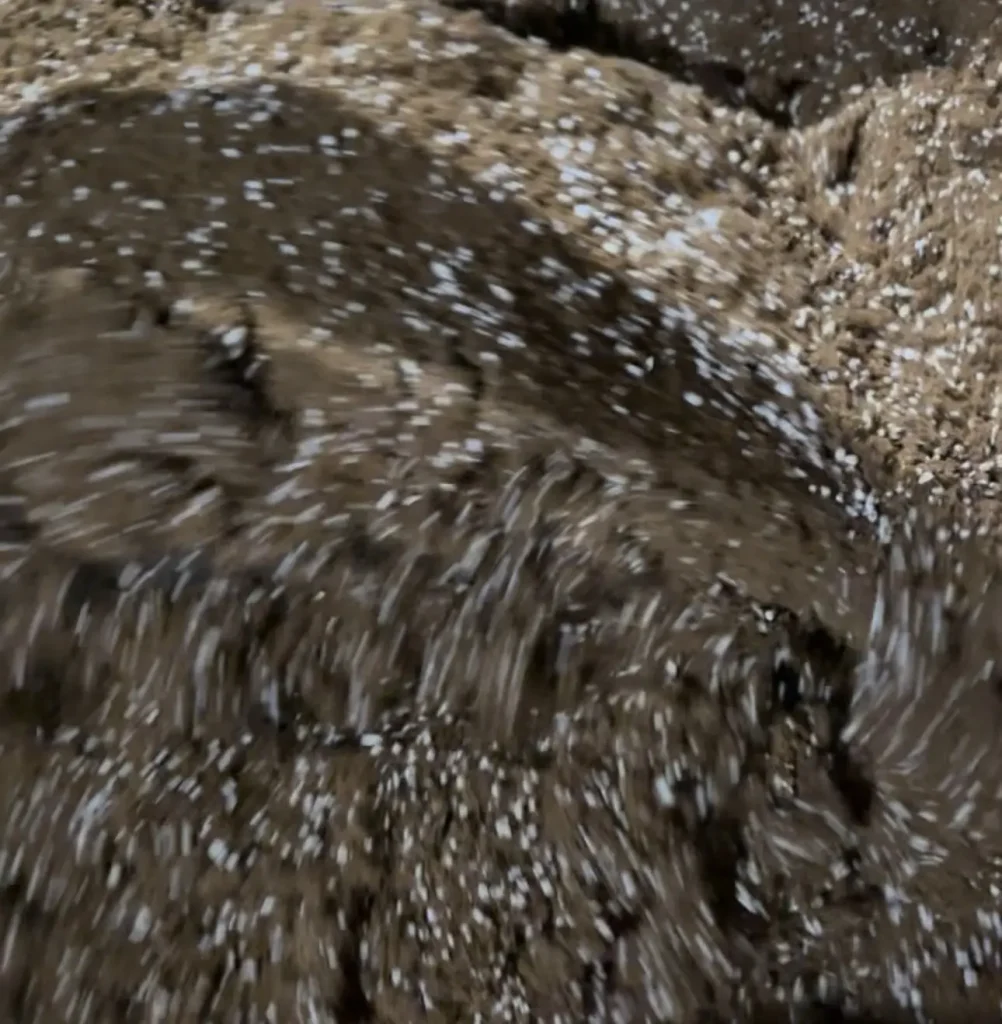
A 70/30 blend by volume is the ratio most often requested. VinaTap supplies it ready mixed as coco perlite mix 70/30 in 50 L bags, with the two components dosed automatically, and blends other ratios to order.
Formats: loose mix, grow bags or compressed coir
- Ready mix in 50 L bags is filled straight into pots and beds.
- Grow bags and slabs arrive compressed, expand when irrigated and are planted directly.
- Bricks and 5 kg blocks cost least to ship. Compressed coir must be soaked and broken up before use, as UF/IFAS notes, and you add the perlite yourself.
What to check when the coir arrives
- Measure EC and pH on a 1:1.5 extract by volume and compare them with the specification on the order.
- Ask whether the lot is washed only or buffered; the two look the same.
- Wet the medium fully before planting and feed with a complete nutrient solution from the first irrigation, since neither coir nor perlite is a fertilizer.
Limits to know
- UF/IFAS advises against coir in recirculating hydroponic systems. The practice described here is drip irrigation with drainage.
- Dry perlite dust can irritate the eyes and airways, and Oklahoma State advises goggles and a mask. Moisten the mix before handling it.
- Oklahoma State also notes that perlite is prone to algae growth, so keep the surface shaded where you can.
Buying from the factory
VinaTap ships washed and buffered coco coir, grow bags and coco perlite mixes from Ho Chi Minh City, with a minimum order of one 20 ft container that can carry several products. Reference prices for the cocopeat grades are on the cocopeat price page. For background, read coco coir for hydroponics and low EC vs high EC cocopeat.
Pot-shaped bags from 1 to 10 gallons now have their own page: open-top coco grow bags.
Ask about a product in this article
We have included this page in your enquiry. Add your product specification, quantity and destination port before sending.