VINATAP JOURNAL
Coco Coir Nutrients: Calcium, Magnesium and What to Measure
What coco coir holds and takes from a nutrient feed, why calcium and magnesium matter, and what to measure.
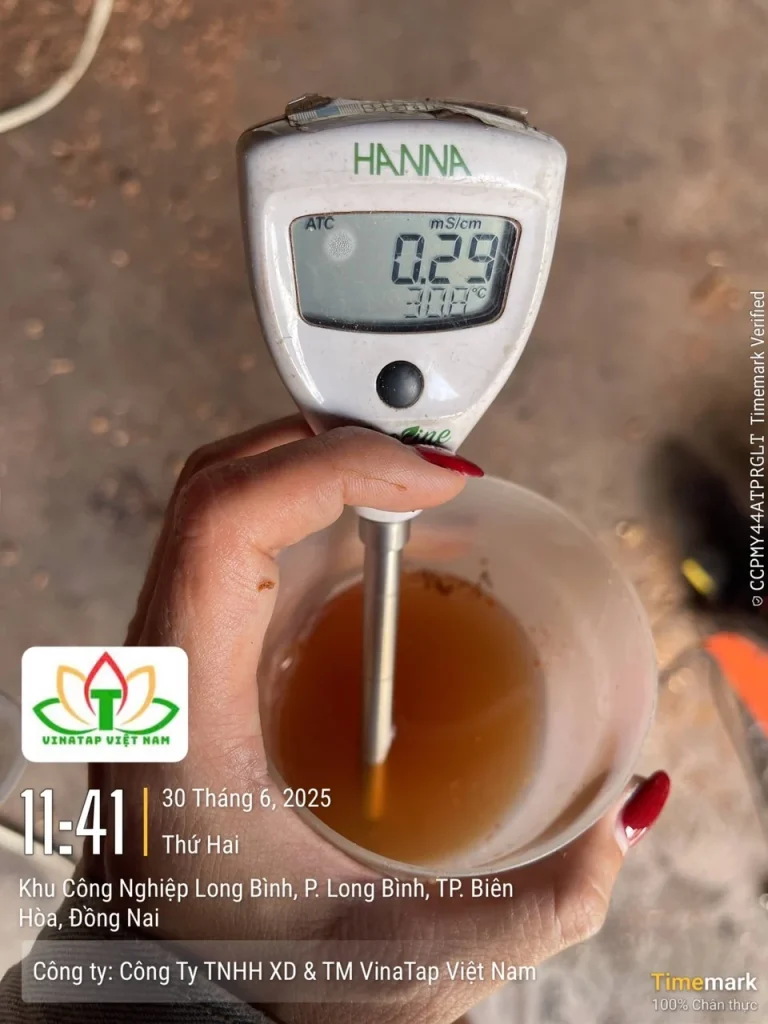
Coco coir is not a fertilizer, but it is not inert either. It holds and releases some nutrients, and that changes what the plant receives from the feed. This guide explains the three things a grower needs to know before mixing nutrients for coir: what coir holds, what it takes, and what to measure.
What coir holds
Coir has cation exchange capacity: the fibers hold positively charged nutrients and release them later. UF/IFAS publication EP623 notes that this capacity lets coir hold nutrients such as potassium. In untreated coir the exchange sites carry mostly potassium and sodium from the husk.
What coir takes: calcium and magnesium
When a feed rich in calcium and magnesium meets unbuffered coir, the fibers take up calcium and magnesium and release potassium and sodium. Oklahoma State University Extension puts it simply: calcium and magnesium usually need to be added to coir, and they help remove sodium.
Buffering does this exchange at the factory. In a 2015 University of Peradeniya leaching trial, the best-performing buffer left about 70% less available potassium and 49–63% less available sodium than the other two treatments, one of which was plain water (Ranaweera, Dharmakeerthi and Gunasena, 2015).
| Coir you bought | What it means for the feed | Action |
|---|---|---|
| Unwashed | High salts; potassium and sodium released | Not for fertigated crops without washing |
| Washed, not buffered | Low salts; still takes calcium at first | Review water and substrate analysis before adjusting calcium or magnesium |
| Washed and buffered | Low salts; exchange sites already carry calcium | Confirm the crop-stage nutrient programme and monitor the root zone |
What to measure
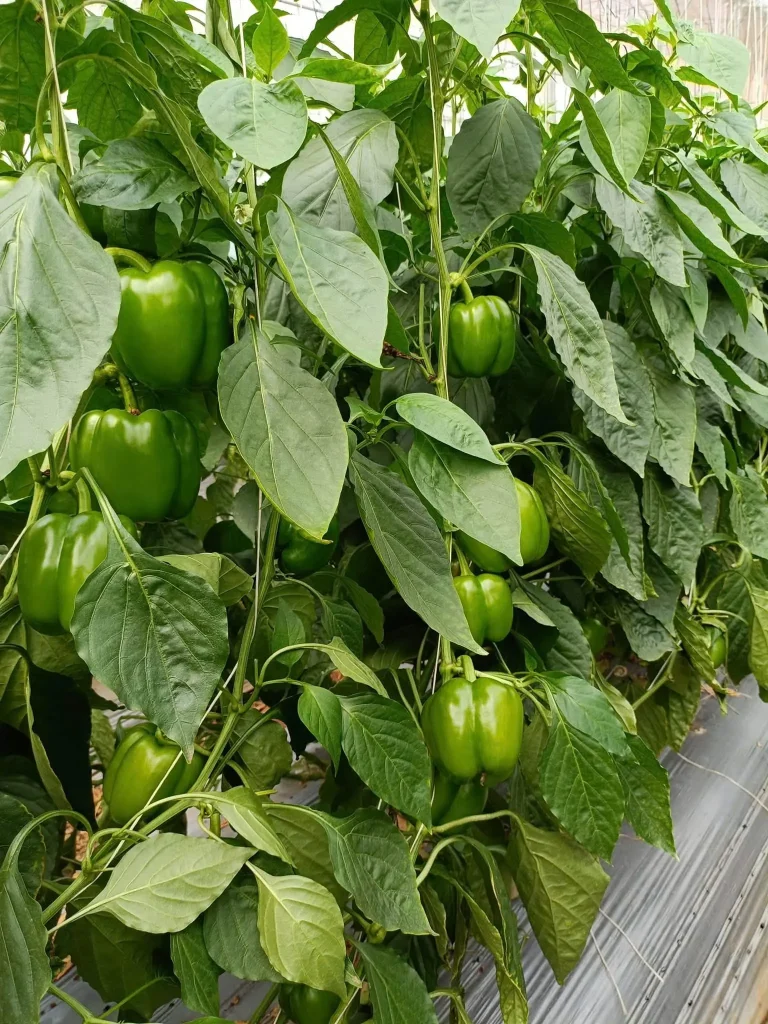
- EC of the coir on arrival. VinaTap’s washed grades are below 0.4 mS/cm on a 1:1.5 extract.
- EC and pH of the drainage. Comparable feed and drainage readings help identify trends; interpret them with moisture, timing, water analysis and the sampling method.
- pH of the feed. Coir itself sits at pH 5.5 to 6.8 according to UF/IFAS.
Feed strength and recipe depend on the crop and the water; follow the nutrient supplier’s programme for coir and adjust from the drainage readings.
Choosing the coir to match your feed
Growers who require exchange-site conditioning before shipment can discuss buffered coco coir. Growers and substrate makers who buffer or blend themselves order pre-washed coco coir. The chemistry is explained in washed vs buffered cocopeat, irrigation in coco coir irrigation, dryback and drainage EC, and the growing method in growing in coco.
Ask about a product in this article
We have included this page in your enquiry. Add your product specification, quantity and destination port before sending.