VINATAP JOURNAL
Coco Coir for Gardening: Four Uses and How Much to Buy
How coconut coir is used for plants and gardens: potting mix, soil conditioner, seed starting and mulch, with preparation and quantities.
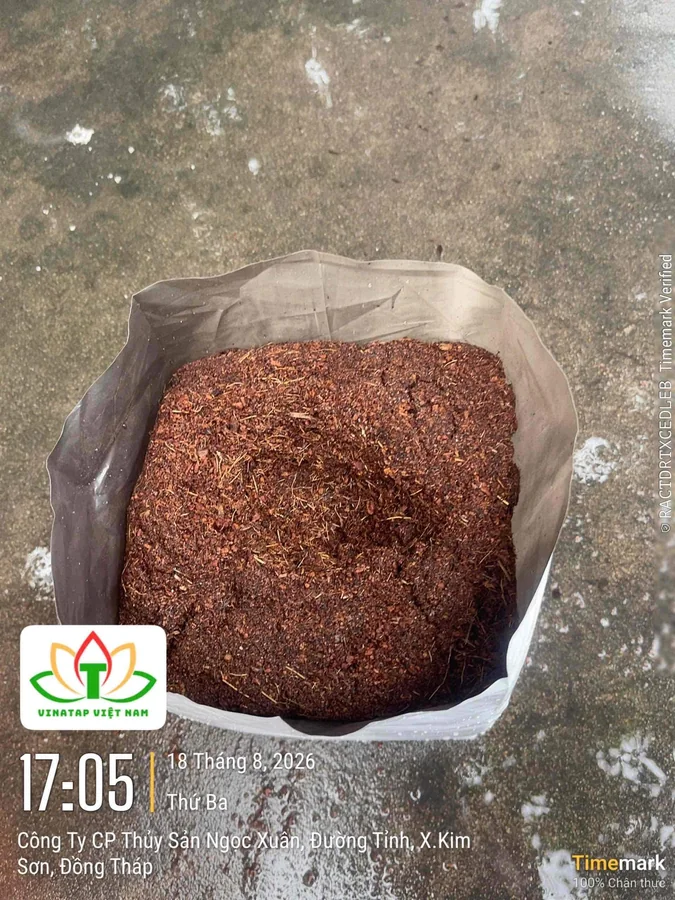
Coco coir is used in gardens in four ways: as the base of potting mix, as a soil conditioner, as a seed-starting medium and, in chip form, as mulch. This guide explains each use, how to prepare the coir, and how much to buy.
Why gardeners use coconut coir for plants
Oklahoma State University Extension describes coir as holding moisture very well while still allowing good root aeration. UF/IFAS publication EP623 gives its pH as 5.5 to 6.8, and notes that peat, the usual alternative, is acidic and harder to rewet once dry. Coir is a by-product of coconut processing, which is why many peat-free mixes are built on it; see coco coir vs peat moss for the comparison.
Four uses in the garden
| Use | Form of coir | How |
|---|---|---|
| Potting mix | Fine cocopeat | Blend with perlite or compost; see potting mix recipes |
| Soil conditioner | Fine cocopeat | Work hydrated coir into the top of the bed |
| Seed starting | Fine cocopeat, pellets | See seed starting |
| Mulch | Husk chips | Spread over the surface; see coconut mulch |
As a mulch, chips slow moisture loss, help control annual weeds and moderate soil temperature, the benefits listed in an Oklahoma State fact sheet on mulching.
Prepare it properly
- Hydrate. Compressed coir must be soaked and broken up before use; steps are in how to use coco coir bricks.
- Use washed coir for plants in containers. Poorly processed coir can be high in salts, as Oklahoma State warns.
- Feed. Coir is not a fertilizer. Select a crop-appropriate nutrient programme, considering the water, any compost or fertilizer already added, and calcium–magnesium requirements.
How much to buy
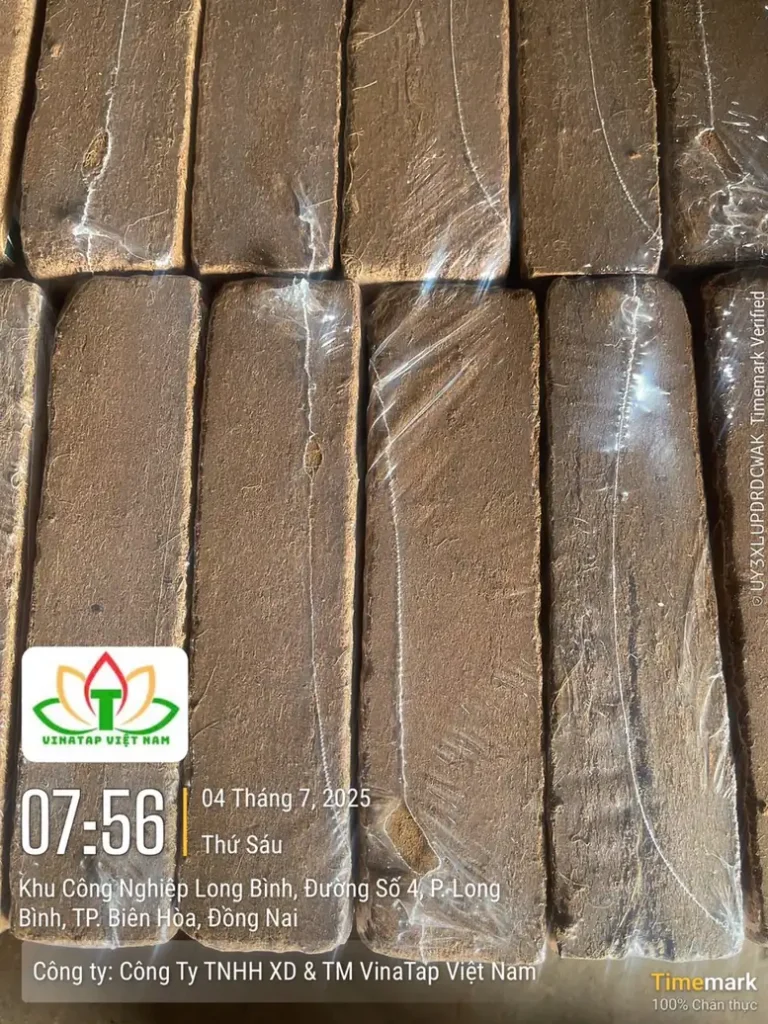
Compressed cocopeat expands to about 14 L per kg. A 0.65 kg brick makes about 9 L, a 1 kg brick about 14 L and a 5 kg block about 70 L. A 2 cm layer over 10 m² has a geometric volume of 200 L. At a measured 70 L per block, three blocks provide about 210 L before settling or handling losses. This is a quantity example, not a recommended amendment rate.
For garden centers and distributors
VinaTap supplies bricks, 5 kg blocks, loose bags and husk chips by the container, and prints bags with the distributor’s brand; see private label coco coir and bulk coco coir wholesale. Other uses by grade and format are listed in cocopeat uses.
Ask about a product in this article
We have included this page in your enquiry. Add your product specification, quantity and destination port before sending.