VINATAP JOURNAL
What Is Cocopeat Used For? Uses by Grade and Format
Six uses of cocopeat, from greenhouse crops and potting mixes to soil improvement and animal bedding, with the grade and format each one needs.
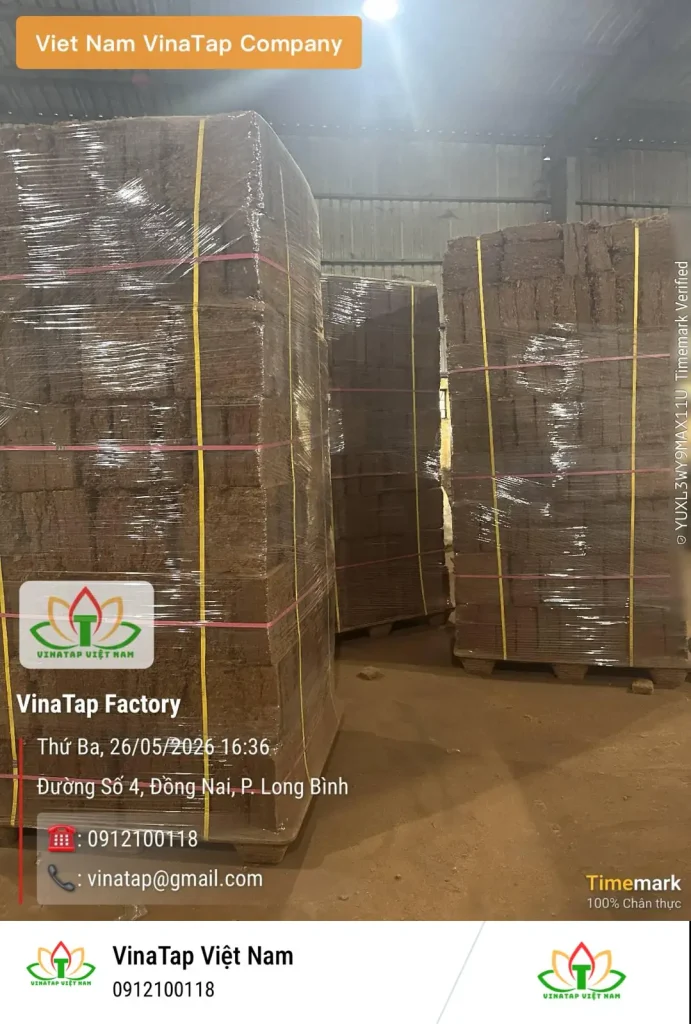
Cocopeat is used wherever a grower needs a light material that holds water and air around roots: greenhouse and hydroponic crops, potting mixes, nurseries and soil improvement. Outside plant growing, it is used as animal bedding. The grade follows the use. Crops grown in the cocopeat itself need a washed or buffered grade; unwashed cocopeat is for uses where it is diluted in soil or is not a growing medium.
| Use | Grade | Usual format |
|---|---|---|
| Greenhouse and hydroponic crops | Washed low EC or buffered | Grow bags, 5 kg blocks |
| Potting mixes and growing-media manufacture | Washed low EC or buffered | 5 kg blocks, jumbo bags, big bales |
| Nurseries and propagation | Washed low EC | Blocks, bricks, discs and pellets |
| Orchids and aroids | Washed husk chips | Chips in blocks or bags |
| Soil improvement and landscaping | High EC, where diluted in soil | 5 kg blocks, loose bags |
| Animal bedding | High EC | Loose material, blocks, bedding slabs |
Greenhouse and hydroponic crops
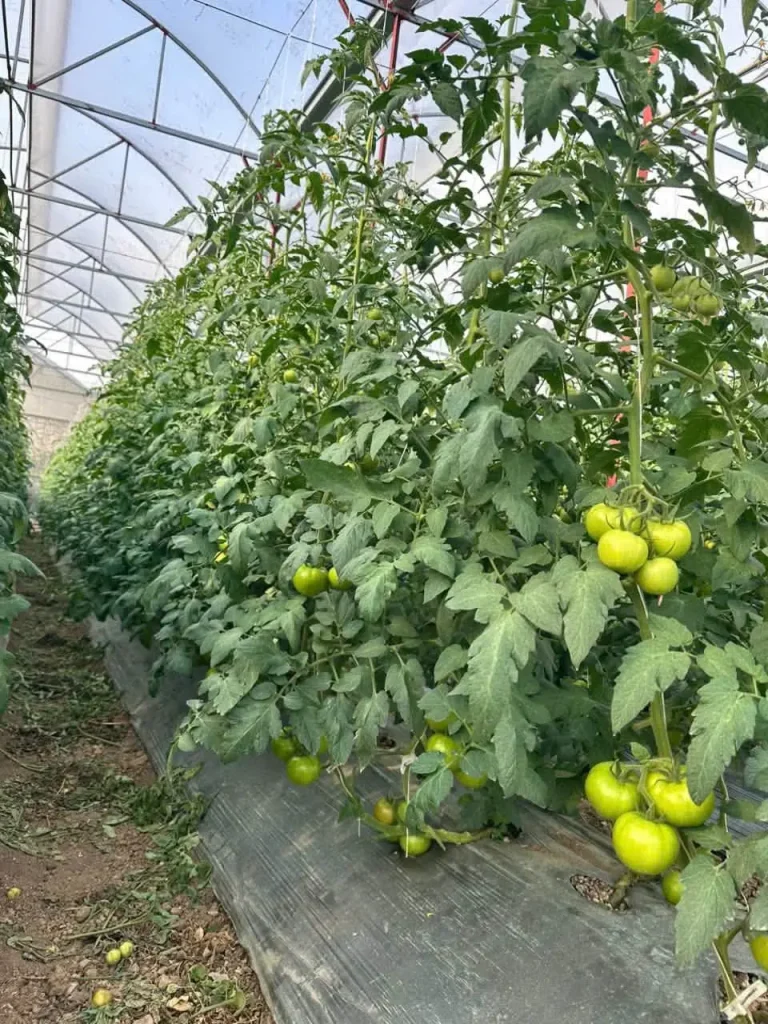
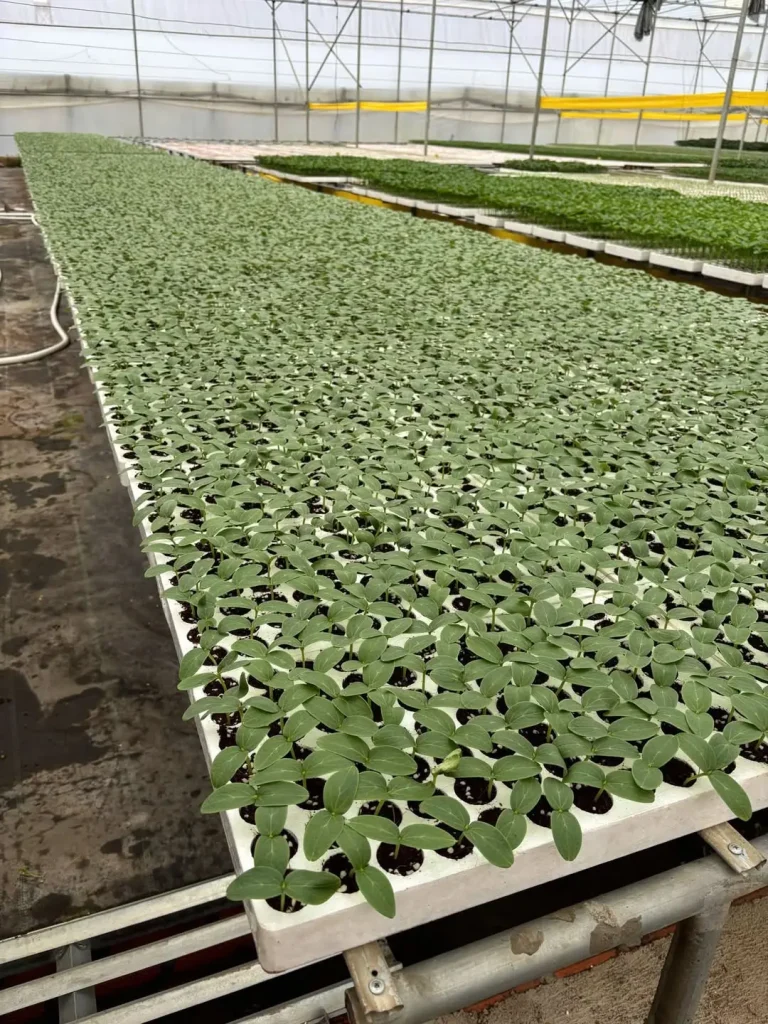
Coir is one of the standard media for soilless growing. Fine coir has a high water-holding capacity, and its pH of 5.5–6.8 sits close to the range most crops are fed at (UF/IFAS Extension). Salts are the risk, so these crops need washed cocopeat. See coco coir for hydroponics and coco grow bags.
Potting mixes and growing-media manufacture
Coir has become a popular, lower-cost and more sustainable alternative to peat moss in potting mixes (Clemson Cooperative Extension). It wets more easily than peat and breaks down more slowly (Oregon State University Extension). Producers buy it in 5 kg blocks, jumbo bags or big bales; coco coir vs peat moss covers what changes in the recipe.
Nurseries and propagation
Seedlings and cuttings leave little room for salts the grower did not add, so propagation uses washed low EC cocopeat. Small formats suit this work: bricks and discs, pellets and seed starter plugs.
Orchids and aroids
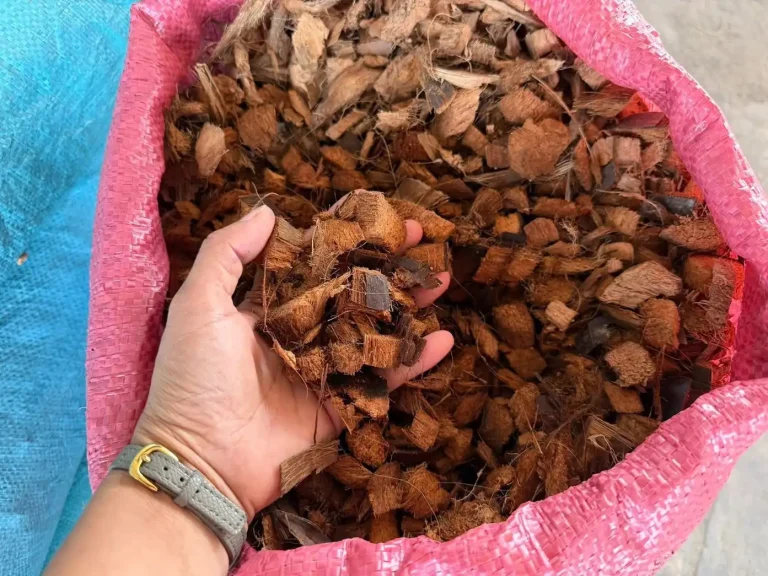
These plants are grown in coarse, open media, where coco husk chips are used alone or with bark and perlite. See coco husk chips vs orchid bark.
Soil improvement and landscaping
Researchers at Auburn University and the University of Arkansas compared coir and peat as soil amendments and found that coir performed on par with peat (Oregon State University Extension). Where cocopeat is mixed into soil for established trees, parks or roadside planting, unwashed high EC cocopeat is acceptable and costs less. For salt-sensitive plants, use a washed grade.
Animal bedding
Coir absorbs moisture, which is why it is also used under livestock. VinaTap supplies loose bedding and bedding slabs that are 100 cm long, 10–30 cm wide and 2–10 cm thick.
What cocopeat does not do
Cocopeat is low in nutrients, like peat (Oregon State University Extension). It is a growing medium and a soil conditioner, and plants grown in it need fertilizer.
How much you get
One ton of cocopeat expands to 14–15 m³ after hydration, so a 5 kg block gives 70–75 L. Reference prices by grade are on the cocopeat price page.
Common questions
What is cocopeat used for?
Mainly as a growing medium for greenhouse and hydroponic crops, in potting mixes, in nurseries and for improving soil. It is also used as animal bedding.
Does cocopeat need fertilizer?
Yes. Cocopeat is low in nutrients, so crops grown in it are fed through irrigation or with added fertilizer.
Which cocopeat grade is used for seedlings?
Washed low EC cocopeat. VinaTap’s limit is an EC below 0.4 mS/cm on a 1:1.5 extract by volume.
Ask about a product in this article
We have included this page in your enquiry. Add your product specification, quantity and destination port before sending.