VINATAP JOURNAL
Coco Coir Potting Mix: Recipes, Preparation and What to Buy
How to use coco coir in potting mix: published recipes, how to prepare compressed coir, and how much to buy for the volume you need.
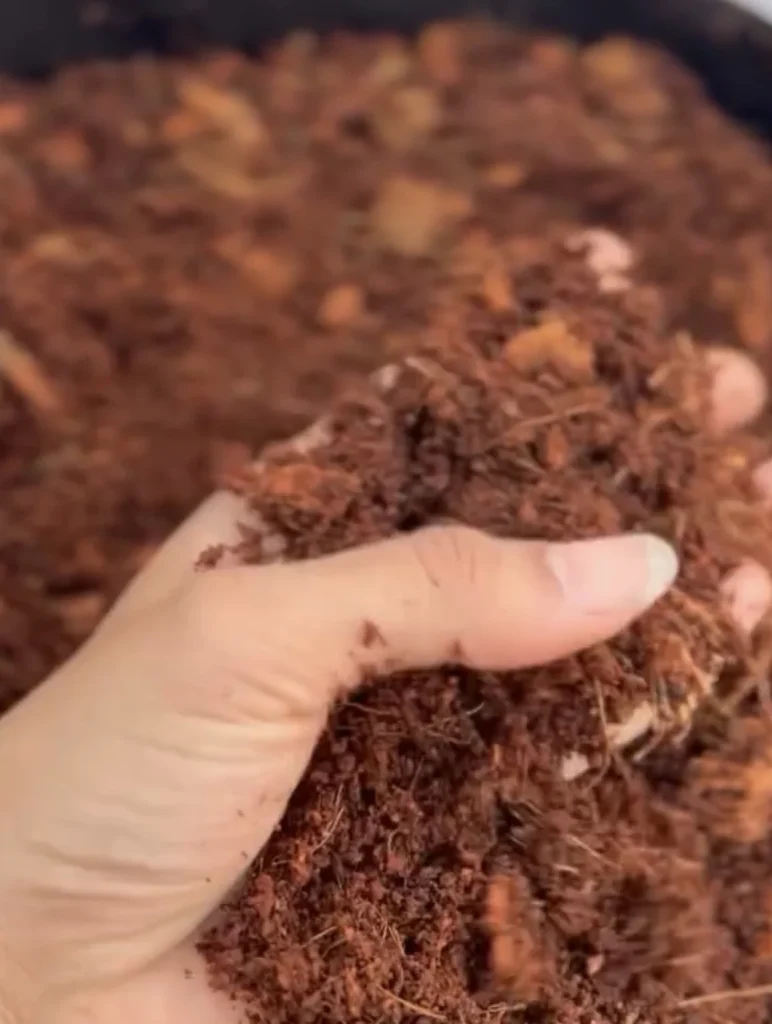
Coco coir is one of the two usual bases for potting mix, the other being peat moss. This guide explains what coir contributes, gives recipes published by university extension services, and shows which coir format to buy for the volume you need.
What coco coir does in a potting mix
Oklahoma State University Extension describes coir as holding moisture very well while still allowing good root aeration. UF/IFAS publication EP623 gives its pH as 5.5 to 6.8, close to what most container plants need, and notes that fine coir holds more water while chunkier coir has more pore space. Peat, by comparison, is acidic and harder to rewet once it dries.
Coir is not a fertilizer, and fine coir holds a lot of water. That is why it is usually blended with a coarser material that adds air space, and fed.
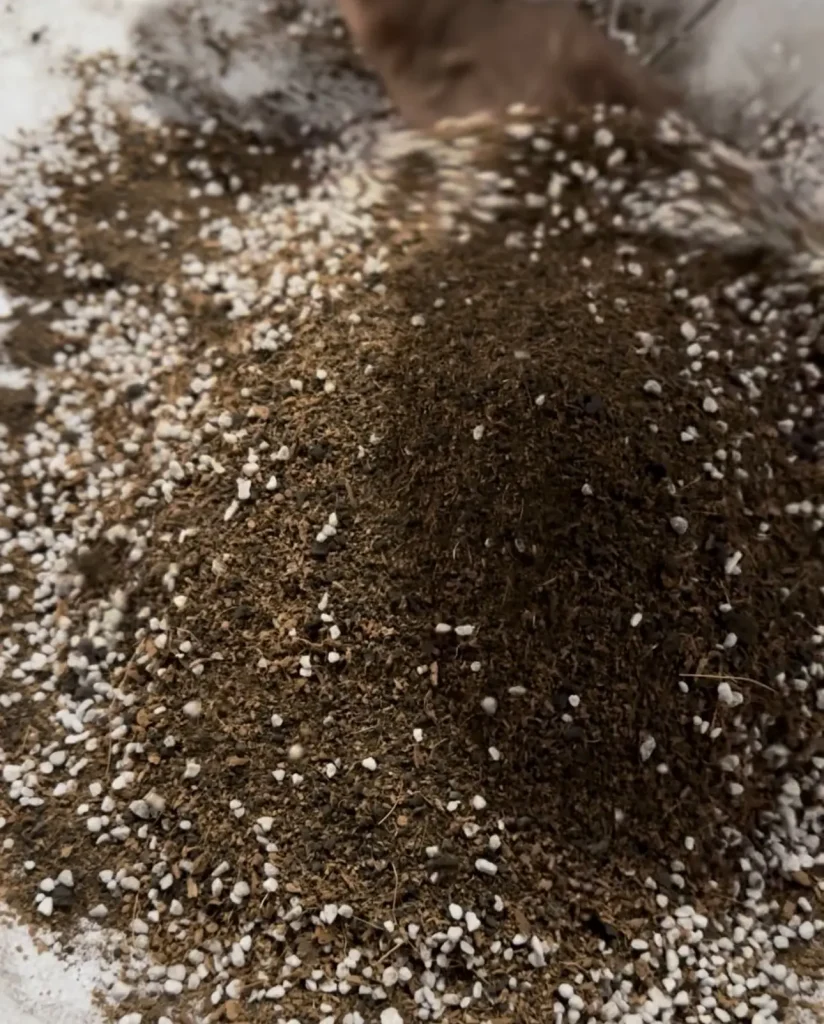
Published recipes
| Source | Recipe | Use |
|---|---|---|
| Oregon State University Extension | One third coir or peat, one third sand, vermiculite or perlite, one third pasteurized soil or compost | Seed starting and general use |
| Oregon State University Extension | Coir or peat with half perlite, vermiculite or sand | Soilless alternative |
| Utah State University Extension | Equal parts peat moss, perlite and/or vermiculite | Seed starting |
| Common grower blend | 70% coir, 30% perlite by volume | Pots under frequent fertigation |
The first three recipes are from Oregon State University Extension and Utah State University Extension; coir can take the place of peat in the Utah recipe, since that source names both as the base of soilless mixes. The 70/30 blend is the ratio growers most often order ready mixed.
Prepare the coir before mixing
- Soak compressed coir. Bricks and blocks must be wetted and broken up before use, as UF/IFAS notes.
- Check that it is washed. Oklahoma State warns that poorly processed coir can be high in salinity and should be washed. Washed Low EC cocopeat from VinaTap is below 0.4 mS/cm on a 1:1.5 extract.
- Think about calcium and magnesium. The same source notes that these usually need to be added to coir. Buffered coco coir has been treated with calcium at the factory.
- Feed. Utah State advises starting fertilizer once seedlings show their first true leaves.
How much coir to buy
Compressed cocopeat expands to about 14 L per kg. Use that figure to convert weight to volume:
| Format | Expanded volume | Suits |
|---|---|---|
| 0.65 kg brick | About 9 L | Home gardeners, retail packs |
| 1 kg brick | About 14 L | Home gardeners, retail packs |
| 5 kg block | About 70 L | Nurseries and mix makers |
| 50 L loose bag | 50 L declared volume; confirm supplied moisture and preparation | Sites preferring loose material to compressed blocks |
| 50 L coco perlite 70/30 | 50 L, ready mixed | Growers who want a finished blend |
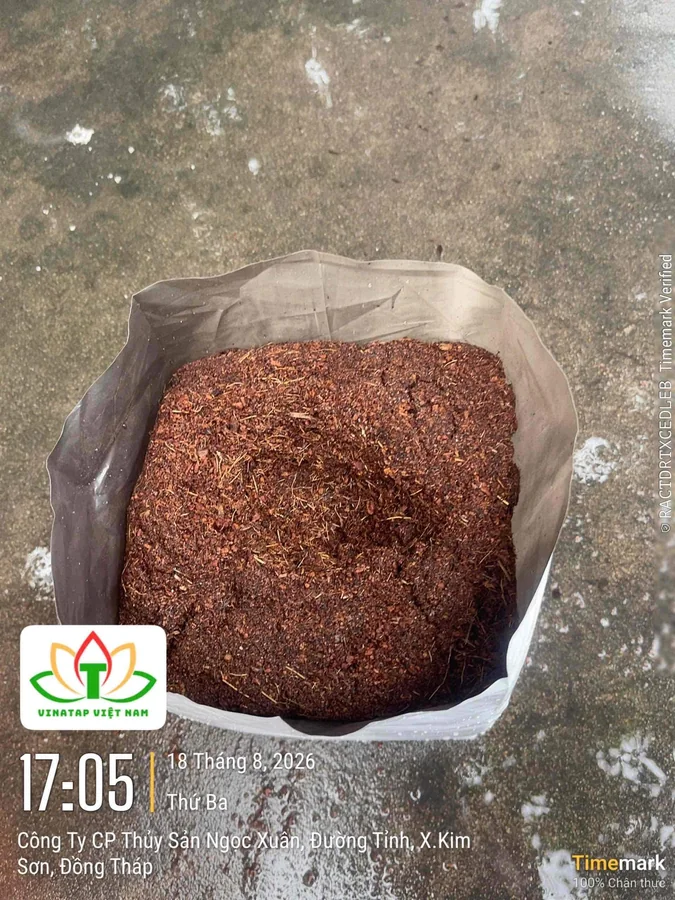
For a mix with one third coir, 100 L of potting mix needs about 33 L of coir, or roughly 2.4 kg of compressed cocopeat. For a 70/30 blend, 100 L needs 70 L of coir, or one 5 kg block.
Buying in bulk
VinaTap supplies cocopeat for potting-mix makers and distributors by the container, in washed and buffered grades, and blends perlite, vermiculite or husk chips to order under custom coco substrates. Formats, prices and terms are summarized in bulk coco coir wholesale from Vietnam. For peat-free claims and the comparison with peat, see coco coir vs peat moss.
Ask about a product in this article
We have included this page in your enquiry. Add your product specification, quantity and destination port before sending.