VINATAP JOURNAL
ISPM 15 and Compressed Wood Pallets: What Exporters Should Check
ISPM 15 regulates raw wood packaging. Why compressed wood pallets are exempt, what to check for coir-fiber pallets and which documents to request.
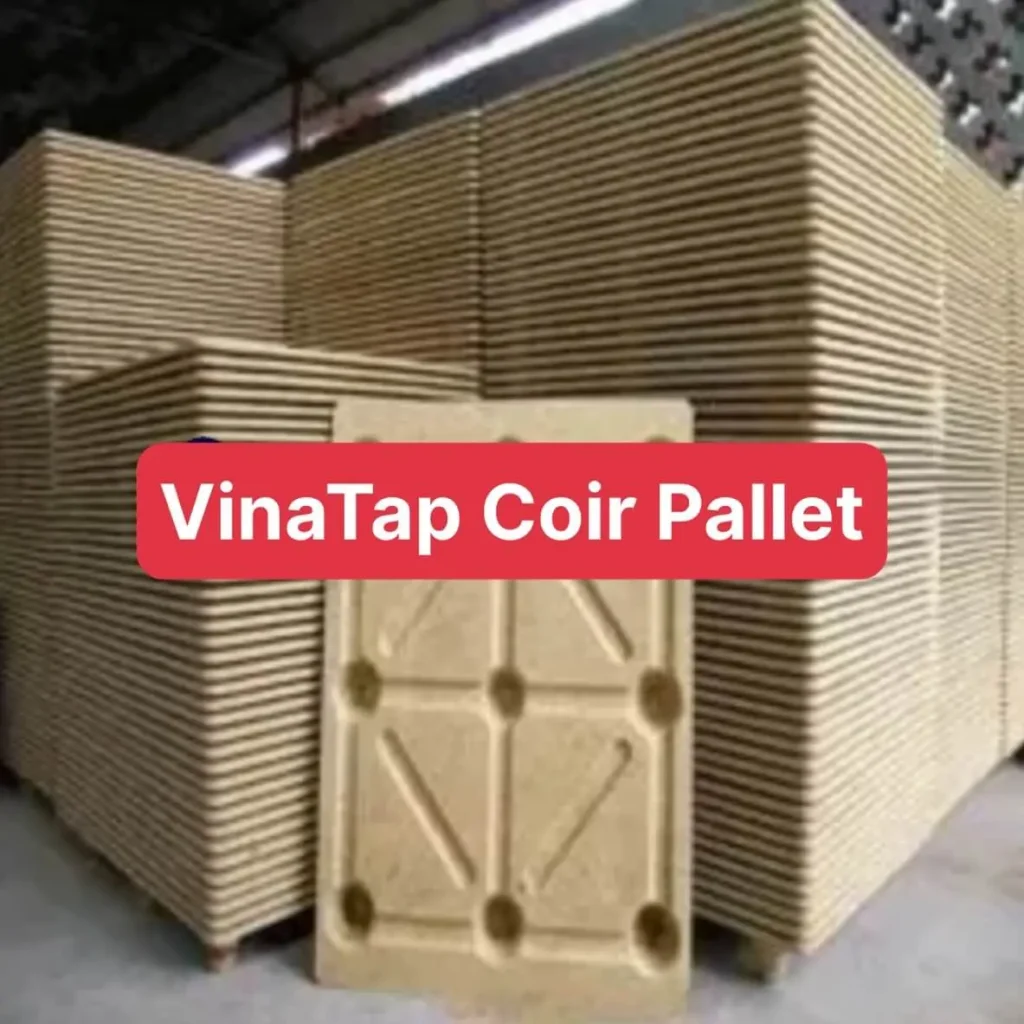
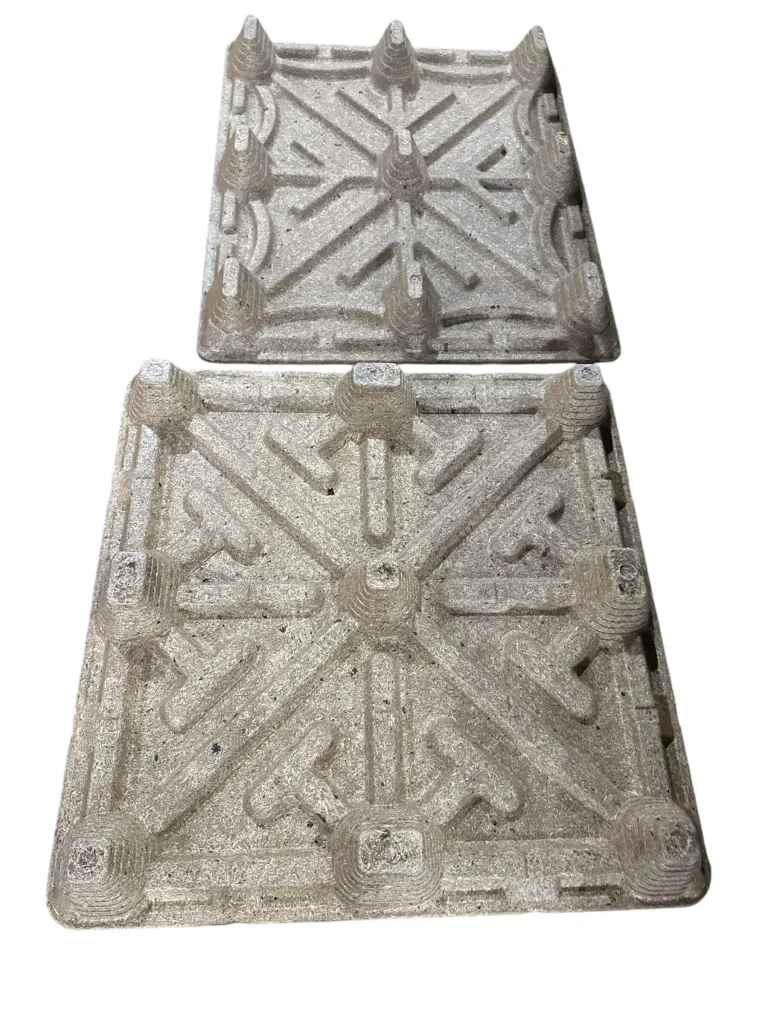
Presswood pallets, also called compressed wood or molded wood pallets, do not need ISPM 15 treatment or the IPPC mark when they are made wholly of processed wood. The standard regulates packaging made from raw wood. A pallet that also contains coir or another plant fiber needs one more check, because some countries control plant-based packaging under their own rules.
This guide is for exporters and logistics teams choosing ISPM 15 exempt pallets for export loads.
| Pallet type | Status under ISPM 15 | What to check |
|---|---|---|
| Solid wood | Regulated: debarked, treated and marked | IPPC mark on the pallet |
| Compressed wood, wholly processed wood | Exempt under section 2.1 | Supplier’s statement of materials and process |
| Compressed wood with coir or other plant fiber | Not raw wood; plant fiber is not named in the standard | Rules of the importing country on plant-based packaging |
| Plastic | Outside the standard | Nothing under ISPM 15 |
What ISPM 15 regulates
ISPM 15 is the international standard for wood packaging in trade, published by the International Plant Protection Convention. It covers wood packaging material made from raw wood, including dunnage, because raw wood can carry quarantine pests (IPPC, ISPM 15).
Regulated wood must be debarked and then treated. The approved treatments include:
- Heat treatment (HT): 56 °C for at least 30 continuous minutes through the whole piece, including the core.
- Dielectric heating (DH): 60 °C for at least 1 continuous minute.
- Methyl bromide fumigation (MB): to a set schedule over at least 24 hours.
Treated packaging carries the IPPC mark: the symbol, a two-letter country code, a code for the producer or treatment provider, and the treatment code.
Why compressed wood pallets are exempt
Section 2.1 of the standard exempts wood packaging made wholly of processed wood material, such as plywood, particle board, oriented strand board or veneer, that has been created using glue, heat or pressure, or a combination of them. Sawdust, wood shavings and wood wool are exempt as well.
A presswood pallet is molded from wood particles and adhesive under heat and pressure, which places it in the same group as particle board. It needs no fumigation, no separate heat treatment and no IPPC mark under the standard.
The United States takes the same line. The Animal and Plant Health Inspection Service requires all wood packaging material entering or passing through the country to be treated and marked, and lists plywood or pressboard, oriented strand board and hardboard among the materials that are not subject to that regulation (USDA APHIS).
How VinaTap pallets are made
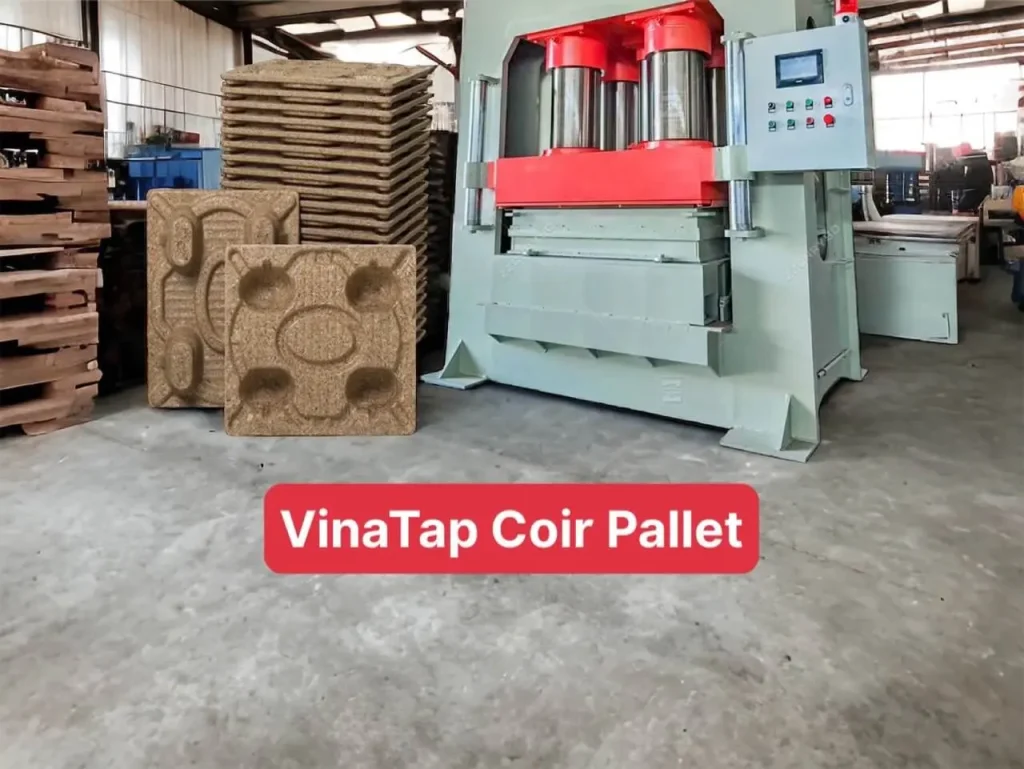
VinaTap makes molded pallets at its factories in Dong Thap and Ben Tre, Vietnam.
| Step | What happens |
|---|---|
| 1. Drying | Sawdust, coir fiber and other plant materials are dried to 5–7% moisture |
| 2. Mixing | The dried material is mixed with adhesive |
| 3. Molding | The mix is pressed in a mold at 180–200 °C |
| 4. Finishing | Pallets are removed from the mold, deburred and checked |
| 5. Packing | Pallets are wrapped in moisture-barrier film, stored and shipped |
For comparison, ISPM 15 heat treatment of raw wood requires 56 °C at the core for 30 minutes. We do not publish a core-temperature figure for our pallets.
There are six single-deck models, PL01 to PL06, each 135 mm high. See pallet sizes and load capacity for dimensions and recommended loads.
Coir-fiber pallets: what to check
VinaTap’s main pallet line is made from sawdust, coir fiber and adhesive. Blends with rice husk, coffee husk or other plant materials are made to order.
ISPM 15 deals with wood. It does not name coir or other plant fibers, so their status is set by each importing country. Australia is the clearest example. Its packing declaration guidance lists rice hulls and compressed non-timber material, including agricultural waste, as unacceptable packaging material. Packaging made entirely of reconstituted wood does not have to be declared as timber packaging (Australian Department of Agriculture, Fisheries and Forestry, December 2024).
For that reason, VinaTap ships goods to Australia on treated wood pallets or plastic pallets. The rules for the cocopeat itself are in exporting cocopeat to Australia and New Zealand.
VinaTap has applied for a manufacturer’s statement covering its coir-fiber pallets. It has not been issued yet. The statement is a voluntary document from the manufacturer, not a certificate from a plant-health authority.
Country checks before you ship
- Australia: declare packaging on the packing declaration; plant-based compressed material is not accepted, as described above.
- United States: shipments with non-compliant wood packaging are refused entry. Pressboard is listed as not subject to the wood packaging regulation.
- European Union and New Zealand: both require ISPM 15 for wood packaging (USDA APHIS list of countries).
- Canada: For shipments covered by this packing plan, VinaTap does not use solid natural wood for pallets, bracing or dunnage. VinaTap plans to use hot-pressed molded wood-and-coir pallets for all shipments under this plan. The Canadian Food Inspection Agency’s directive D-98-08 distinguishes packaging made entirely from processed wood from mixed processed and solid wood packaging. Confirm the actual materials and any marking requirements with the Canadian importer before shipment, and check the coir cargo separately in AIRS.
Rules change, and the list above is a starting point only. Before the first shipment to a new market, confirm the status of your pallet type with the plant-health authority of the importing country or with your customs broker.
Documents to request with the pallets
- Manufacturer’s statement of materials and process. It states what the pallet is made of and how it is pressed. VinaTap’s statement is pending, as noted above.
- Pentachlorophenol (PCP) test report. US rules for wooden articles that pack, transport or hold raw agricultural products limit PCP to 50 parts per million in the treated wood (21 CFR 178.3800). Ask for the report that applies to your order.
- Specification sheet. Model, dimensions and recommended static and dynamic loads.
See the recycled plant-fiber pallets page for the product, and the guide to static, dynamic and racking load ratings for how to read load figures.
Common questions
Do compressed wood pallets need fumigation?
Not under ISPM 15, when they are made wholly of processed wood. The standard exempts wood packaging created with glue, heat or pressure, so no fumigation, heat treatment or IPPC mark is required.
Are presswood pallets ISPM 15 exempt?
Yes. Section 2.1 of ISPM 15 exempts packaging made wholly of processed wood material. Pallets that include coir or other plant fiber should be checked against the rules of the importing country.
What documents come with the pallets?
Ask for a manufacturer’s statement of materials and process, a PCP test report and a specification sheet. VinaTap’s manufacturer’s statement for coir-fiber pallets is pending.
The pallet specifications and process details on this page were updated in November 2026.
Related coir applications for nurseries
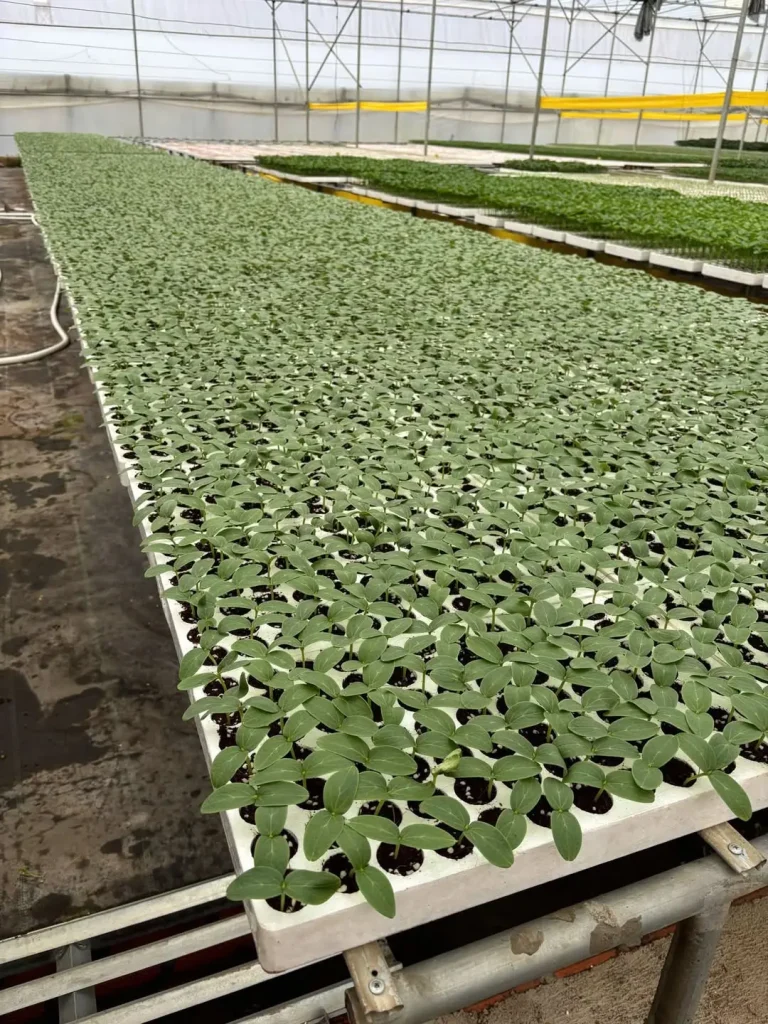
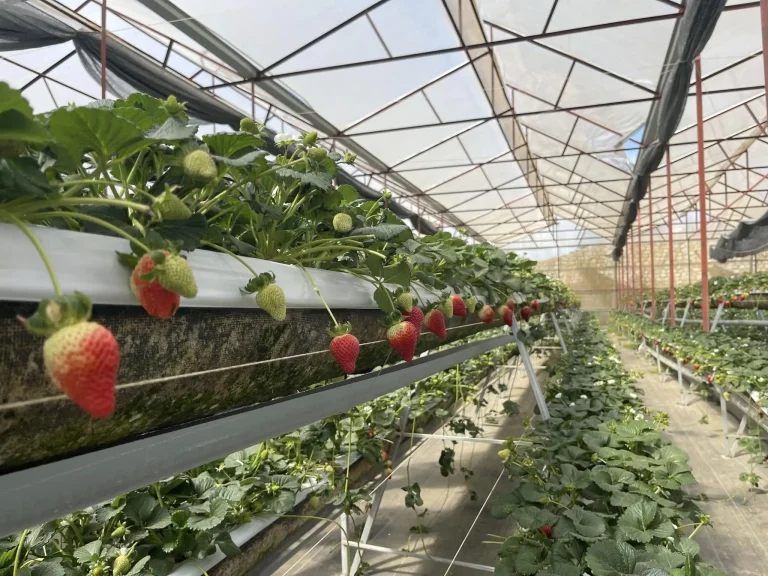
VinaTap also supplies horticultural coir. The crop examples below concern growing-media selection, not bedding performance or pallet capacity. Keep each product’s specification and approval separate. Explore the custom substrate range.
Ask about a product in this article
We have included this page in your enquiry. Add your product specification, quantity and destination port before sending.