VINATAP JOURNAL
Loose Cocopeat Bags and Jumbo Bags: Volume, Weight and Receiving Checks
Choose loose cocopeat bags and jumbo bags from 50 L to 6,000 L. Separate volume from weight and agree moisture, filling, packing and receiving checks.
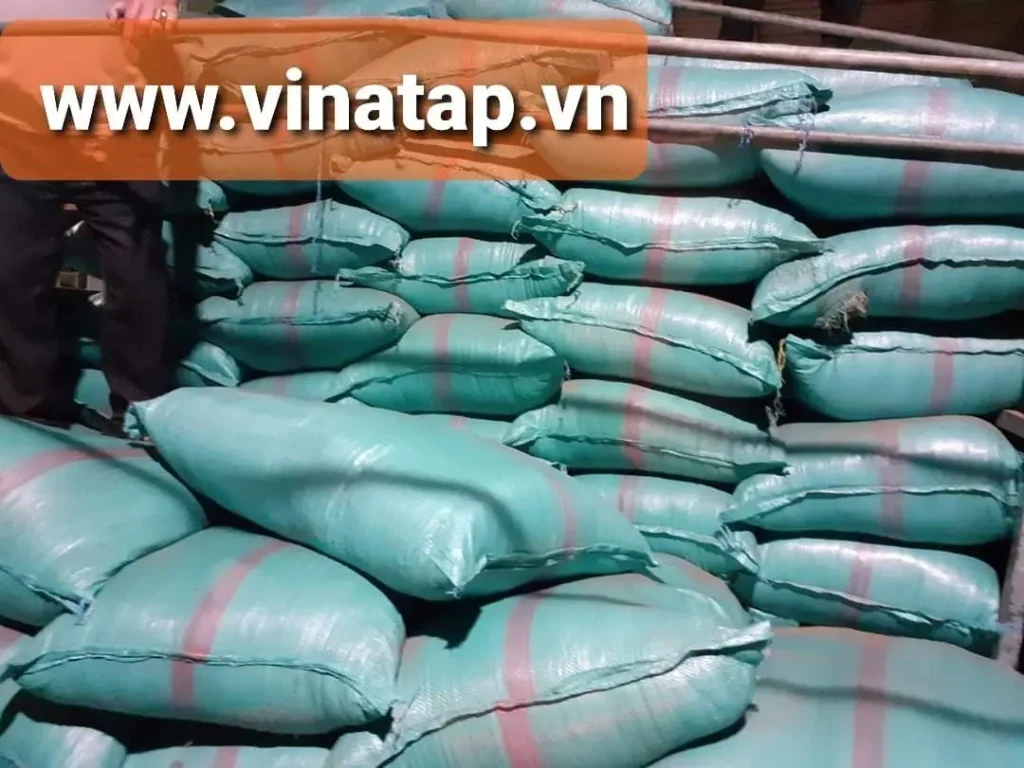
Loose cocopeat bags and jumbo bags should be purchased against a defined material condition and measurement procedure. A liter label describes volume; it does not establish dry weight, chemical grade or how much usable medium your filling line will obtain.
Choose the delivery size around your operation
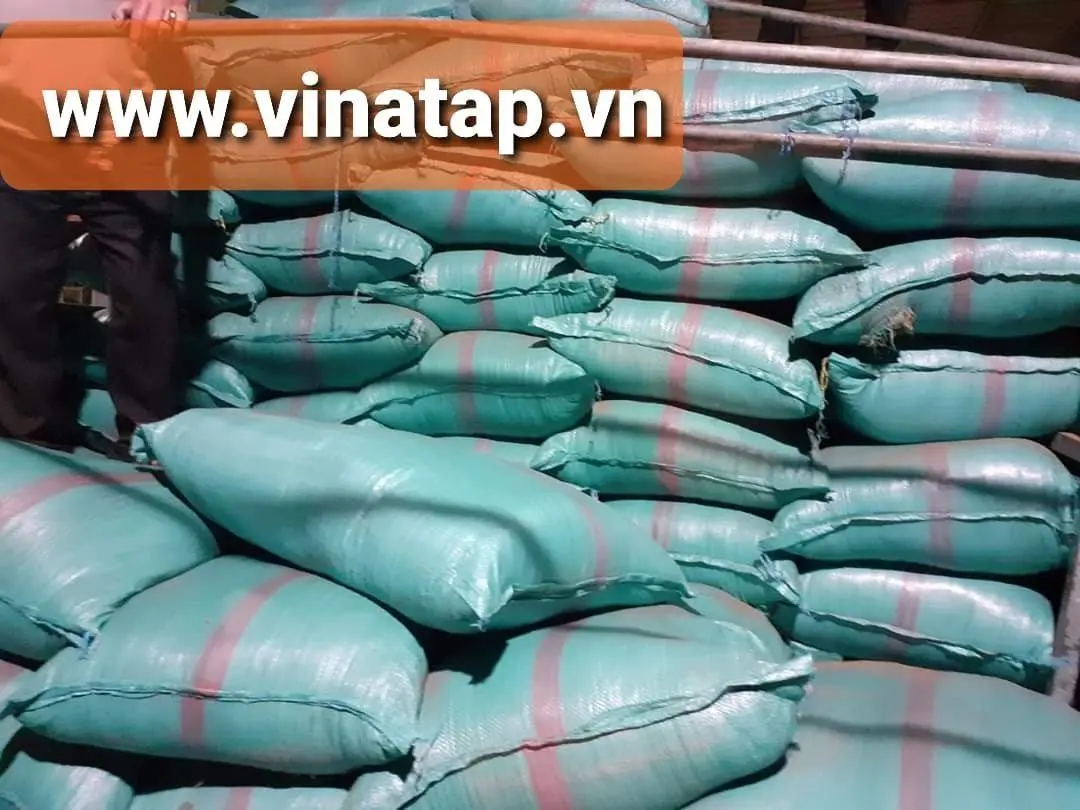
VinaTap supplies 50 L and 100 L loose bags and custom bulk formats from 1,000–6,000 L. Small bags can be handled as individual units. Bulk bags require a receiving and discharge arrangement appropriate to the actual package.
Discuss unloading access, covered storage, bag opening and the equipment used to move or empty the material. Confirm the agreed handling instructions and actual package weight before planning machinery or labor.
Keep volume and weight separate
Do not convert 50 L or 100 L into a fixed kilogram figure without the moisture condition and filling method. Likewise, a 6,000 L description does not by itself specify bag dimensions or net mass. Compression, loosening and packing change how a measured quantity occupies space.
For a comparable quotation, record whether the declared volume is measured loose, after preparation or under another agreed procedure. Specify how the material is loosened, the measuring vessel, leveling method and whether compaction is permitted. Use the same procedure for receiving checks.
Specify the material inside the bag
Choose Low EC, High EC or a requested buffered preparation separately from bag size. State particle structure and any chip or fiber blend. VinaTap’s peat range is 0.1–6 mm; a customized finished blend needs its own agreed composition.
For confirmed dry cocopeat grades, packing moisture is below 15%, pH is 5.5–6.5 at 1:1, and minimum expansion is 14 L/kg under an agreed procedure. Do not present those figures as the condition of every moist or directly filled product. Record the product condition on the order.
A receiving inspection that can be repeated
- Match the delivery, labels and lot references to the approved specification.
- Check bags and seams for damage, contamination or signs of water entry.
- Sample across the lot rather than selecting one convenient bag.
- Check mass, moisture and usable volume with the agreed procedures and calibrated equipment.
- Check EC and pH using the named extraction method and record the test water.
- Retain a labeled reference sample and document any deviation before the lot is mixed with existing stock.
Oklahoma State’s sampling guidance emphasizes consistent procedures when comparing growing-media results. Incoming-material EC should not be compared directly with a fertilized root-zone sample taken by another method.
Agree container loading for the exact order
Container quantity depends on bag size, actual mass, pallet dimensions and the loading arrangement. Ask for the order-specific packing list and loading plan. Historical shipment figures are useful references, but they are not a guarantee for a different product condition or package.
Confirm pallet or non-pallet loading, bag count, net and gross mass, external dimensions, destination requirements and unloading arrangements. Keep commercial volume declarations and transport weight calculations as separate checks.
Common questions
Is a jumbo bag simply a larger 100 L bag?
No. Handling, filling, discharge and measurement arrangements must be reviewed for the bulk format.
Which format should a mixing plant choose?
Compare the actual receiving, storage and feeding process. Trial the proposed bag with your equipment before scaling the order.
Review 50 L and 100 L loose bags, custom jumbo bags and the supplier qualification checklist. Send your volume basis and packing requirements for a quotation.
Connect bag volume with the production and moisture specification
VinaTap uses a dedicated rotary drying stage for dry cocopeat and chips and confirms below 15% packing moisture for these dry products. Ask for the moisture test and reporting basis alongside the declared liters. Choose washed or unwashed material and requested buffering separately from the bag size; a large package does not establish treatment status.
Review the VinaTap washing, optional buffering and rotary drying process and historical SGS and Vinacontrol sample results. Agree current lot testing where it forms part of your order acceptance.
Ask about a product in this article
We have included this page in your enquiry. Add your product specification, quantity and destination port before sending.