VINATAP JOURNAL
Cocopeat Supplier Qualification: A Pre-Shipment Checklist for B2B Buyers
A practical cocopeat supplier checklist for B2B buyers: define the product, agree test methods, connect samples to shipment lots and confirm packing before dispatch.
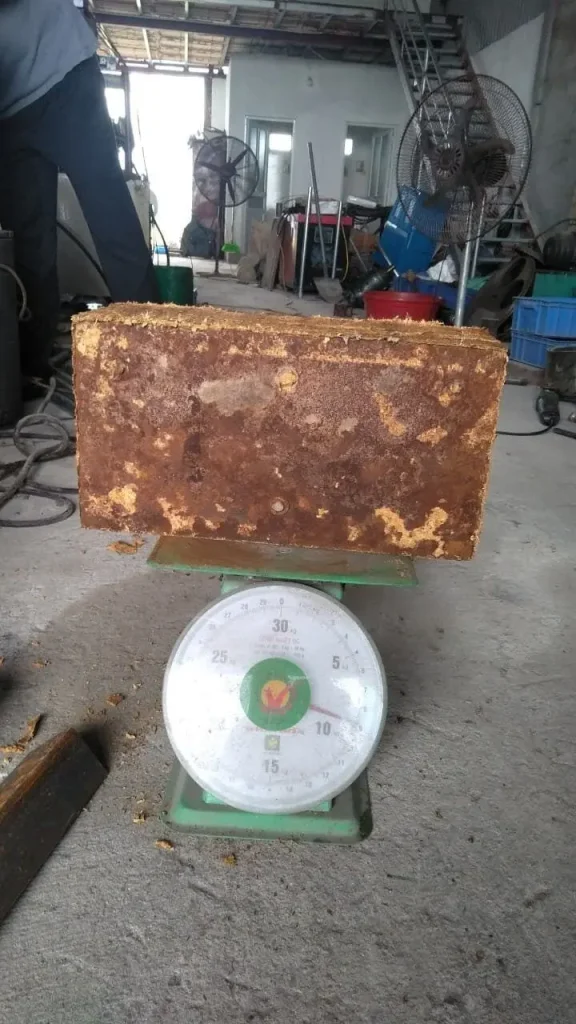
A useful cocopeat supplier check connects four things: the material you want, a representative sample, the shipment lot and the packing you will receive. Use this guide to turn a general enquiry into a specification that both buyer and supplier can review before dispatch.
Start with the VinaTap cocopeat range, then record the selected format, processing and acceptance checks in one order brief.
1. Define the product before comparing quotations
State the intended crop or application, growing system and handling process. Identify whether you need pure coir pith or a blend containing husk chips and short fiber. Record component proportions and how the ratio is measured.
Choose the delivery format separately from the grade. A compressed block, a loose bag and a growing bag answer different handling requirements. Compare compressed blocks, 50 L / 100 L loose bags, three grow bag formats and bulk bags before requesting a loading plan.
2. Ask for the treatment and test method
Ask whether the proposed material is unwashed, washed or buffered, and which treatments apply to the order. Washing and buffering are distinct steps: the Royal Horticultural Society explains washing with water and buffering with calcium nitrate. A washing statement alone does not confirm that buffering was included.
Write EC together with its units and extraction procedure. Purdue Extension describes several substrate extraction methods; results must be interpreted with the method used. If two suppliers report different procedures, ask for testing under one agreed procedure before comparing acceptance limits.
For VinaTap product discussions, washed Low EC cocopeat is specified below 0.4 mS/cm using a 1:1 cocopeat-to-water volume ratio. Confirm the selected grade and order criteria; this figure is not a universal limit for every crop or blend. Read the EC guide and washing and buffering comparison.
3. Connect the sample to the proposed shipment lot
Agree how the lot will be identified, who will collect samples and which packs or production units will be represented. Label samples with the lot reference and collection date. Discuss retained samples and the records needed to connect test results with the material offered for dispatch.
Evaluate the physical structure in your own intended container or handling process. Record the sample preparation, hydration and volume-measurement procedure so that a later delivery can be checked on the same basis. Keep chemical checks and physical checks as separate approval items.
4. Review packing as part of product approval
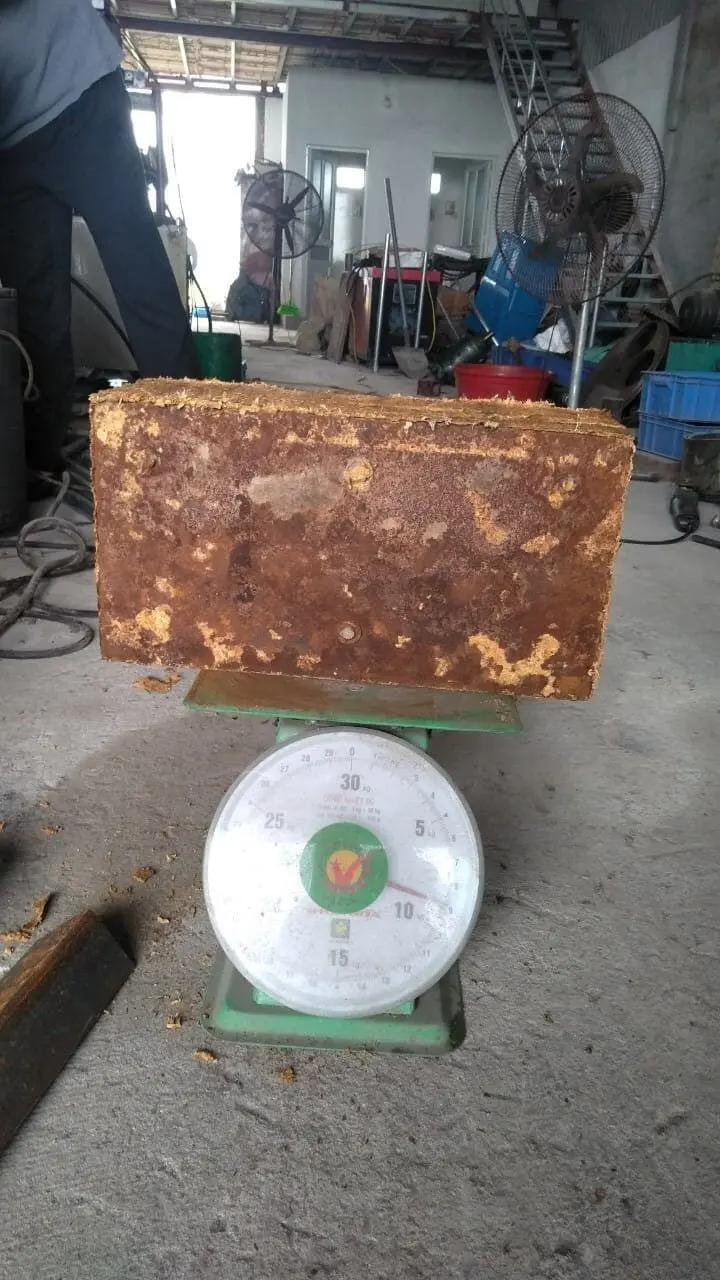
Confirm bag or block format, net weight, stated volume, moisture requirement, units per pack and pallet arrangement. Keep filled bag volume, compressed delivery dimensions and expanded substrate volume distinct. The quotation should make clear which measure is being supplied and checked.
For grow bags, include the finished dimensions and planting or drainage-hole layout. For jumbo bags, describe the filling, lifting and discharge arrangement and available unloading equipment. Previous container-loading examples are useful references; the selected product needs its own final loading plan.
Pre-shipment review checklist
| Review item | Record before dispatch |
|---|---|
| Product identity | Application, grade, composition, format and approved specification version. |
| Treatment | Washing and any requested buffering for the selected material. |
| Measurements | EC and pH procedures, units, moisture basis and other agreed tests. |
| Physical checks | Particle structure, dimensions, weight and the agreed expansion or filling procedure. |
| Lot and sample | Lot reference, sample labels, test records and any retained-sample arrangement. |
| Packing | Units, marking, bag or wrapping, pallet configuration and loading plan. |
| Shipment documents | Documents discussed for the selected product, destination and shipment. |
Use the quality-control page to prepare the measurement discussion. Review redacted shipment document examples for context; historical documents do not establish certification for every future order.
Send a complete cocopeat enquiry
Include these details in your message to VinaTap:
- Intended application and growing or handling system.
- Product format, grade and proposed pith/chip/fiber blend.
- Required dimensions, weight or volume and moisture.
- EC and pH requirements with test procedures.
- Quantity, packing preferences, destination port and requested timing.
- Any sample, inspection or document requirements to discuss.
Discuss Your Cocopeat Specification
Buyer questions
Does a low EC result prove that cocopeat is buffered?
No. Ask for the treatment applied and the evidence agreed for the order. A low EC reading alone does not establish that buffering was included.
Does an approved sample cover every later shipment?
Confirm whether approval relates to a specific lot and what checks will apply to later lots. Keep the sample reference, specification and shipment records connected.
Can a 6,000 L jumbo loading example be used for smaller bags?
Use it as a reference for that packing example. Confirm the loading plan for the actual bag volume, material, moisture and pallet arrangement being ordered.
Ask about a product in this article
We have included this page in your enquiry. Add your product specification, quantity and destination port before sending.