VINATAP JOURNAL
Wood Biochar for Wholesale Buyers: Feedstock Declarations and Analysis Review
Wood biochar supplier evaluation connects a feedstock declaration with the intended use and reported analysis.
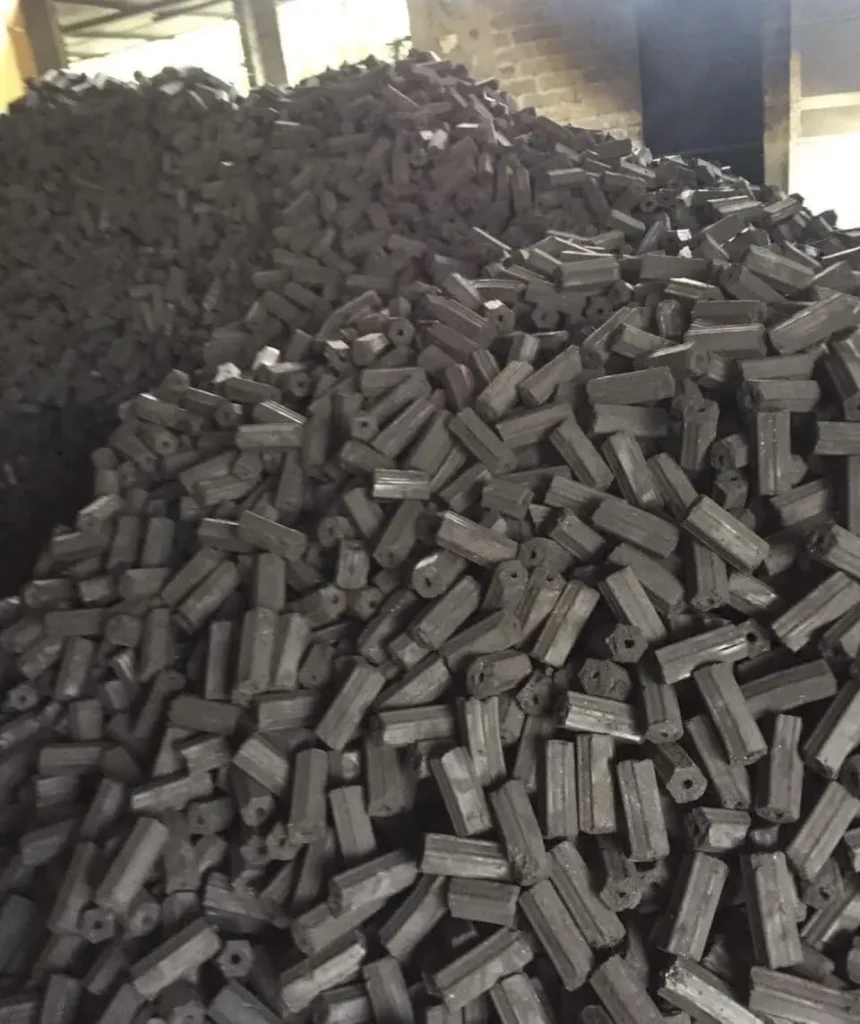
Wood biochar supplier evaluation connects a feedstock declaration with the intended use and reported analysis. A buyer should know what wood-derived material is being offered, whether anything is added and which sample the laboratory tested before accepting a bulk quotation.
Request a clear feedstock statement
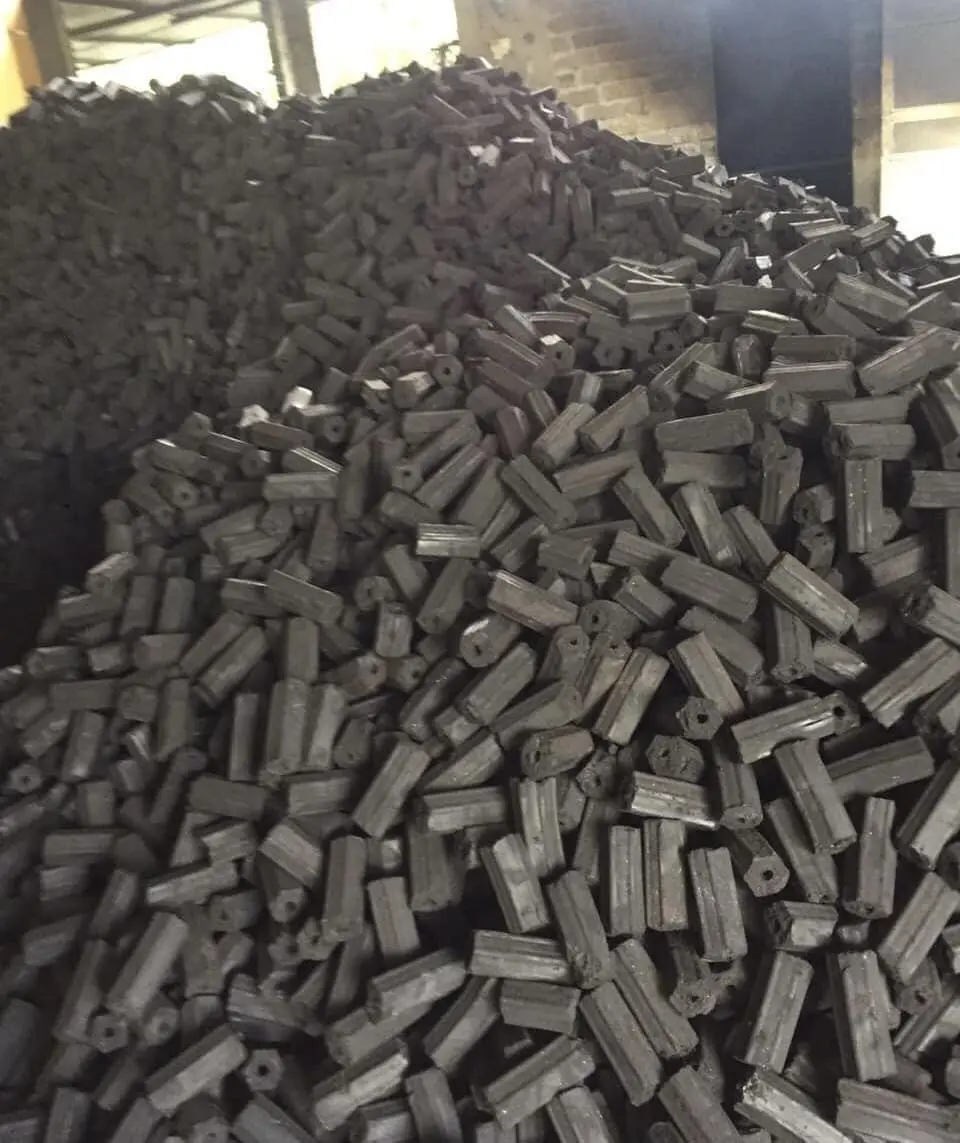
Ask the supplier to identify the wood source and disclose mixtures or additions. Where the buyer requires a specific exclusion or origin statement, put it in the purchasing specification and request supporting evidence. Do not infer clean feedstock from the appearance of finished char.
Read analysis as a set of defined measurements
State the required particle grading, moisture and carbon- or ash-related parameters with methods and bases. Total carbon, fixed carbon and stable-carbon claims are different concepts; a result for one should not be relabeled as another. Agree the relevant contaminant scope for the application.
Review the intended use
A product suitable for one industrial process is not automatically suitable for a soil or growing-medium application. Request the appropriate sample evaluation and evidence for the buyer’s use. Avoid a universal application rate or an assumed crop benefit without the necessary product and site assessment.
Control repeat orders
Link the accepted sample, feedstock declaration, grading and analysis to a product version or lot reference. Ask how source or process changes will be communicated. On receiving, match the bag labels and packing list to the approved specification and retain a reference sample if that is part of the contract.
Record these points before ordering
- Feedstock and additions declared
- Intended application defined
- Methods and analytical bases checked
- Contaminant scope agreed
- Sample reference linked to the order
- Changes and receiving checks documented
Does an analysis establish carbon-credit eligibility?
No. Product chemistry and eligibility under a specific carbon-removal methodology require separate evidence and applicable project review.
Further reading: IBI information on biochar testing and certification frameworks. Use the applicable method and interpretation for the actual product.
Review VinaTap biochar product details and quality-control information. Send the intended use, specification, quantity, packing and destination with your enquiry.
Ask about a product in this article
We have included this page in your enquiry. Add your product specification, quantity and destination port before sending.