VINATAP JOURNAL
Coconut Husk: What It Is and the Products Made from It
What the coconut husk is, how it differs from the shell, and the three products made from it: coir fiber, coir pith and husk chips.
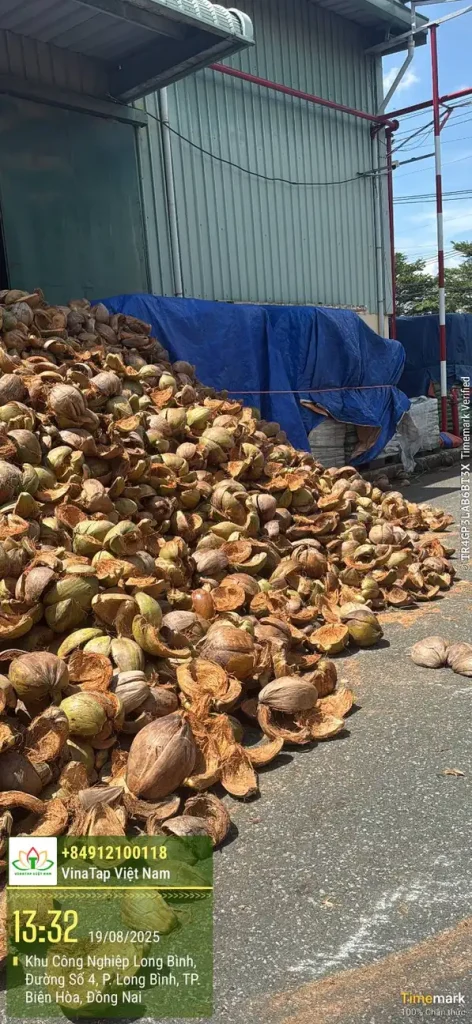
The coconut husk is the thick fibrous layer between the outer skin of the coconut and the hard shell around the kernel. For a long time it was a waste of the coconut industry. Today almost all of it can be turned into products. This guide shows what is made from the husk and how the pieces relate.
Husk and shell are different materials
The husk is soft and fibrous; the shell is the hard, woody layer inside it. Husk becomes fiber, coir pith and chips. Shell is carbonized into charcoal. VinaTap processes both: husk into coco coir products and shell into coconut shell biochar.
Three products from one husk
| Product | How it is made | Main uses |
|---|---|---|
| Coir fiber | Long fibers separated from the husk | Mattresses, rope, mats, erosion control |
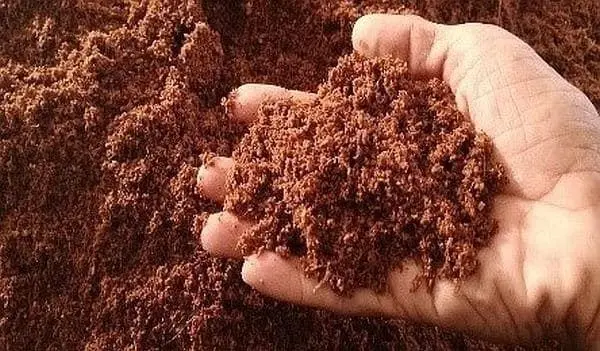
| Coir pith (cocopeat) | The fine material left after the fiber is removed | Growing media, soil conditioner, bedding |
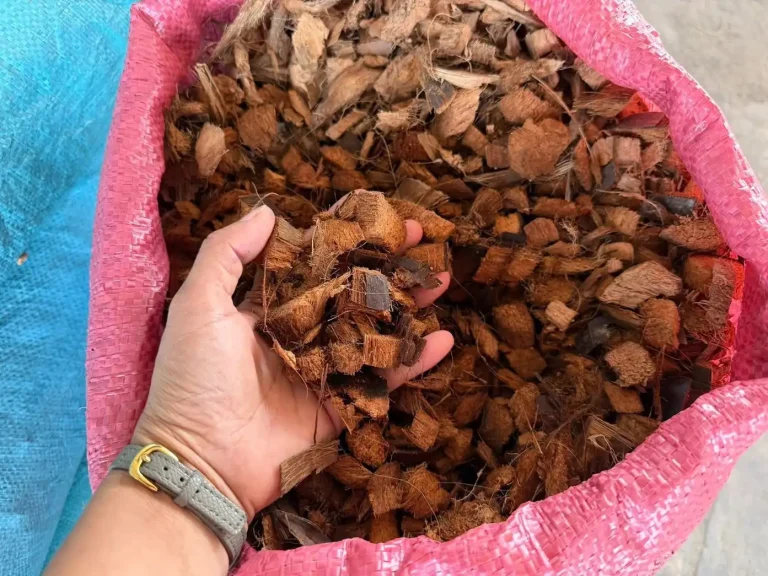
| Husk chips | Husk cut into pieces and screened | Orchid and substrate blends, mulch |
FAO, “Coconut: Tree of Life” lists brushes, ropes, mats and mattress padding as traditional uses of the fiber, with erosion-control geotextiles and rubberized coir among the newer ones, and describes coir pith as a by-product that holds large volumes of water and substitutes for peat moss in growing media.
Why processing decides the quality
- Salts. Oklahoma State University Extension warns that coir can be high in salinity when poorly processed, particularly if the husks were soaked in salt water and not rinsed with fresh water. VinaTap washes with fresh water from a 150 m bore well.
- Particle size. UF/IFAS publication EP623 notes that fine coir holds more water and chunkier coir has more pore space, so the same husk gives different media depending on how it is cut and screened.
- Drying and compression. Dried material is pressed into blocks and bricks for shipping and expands again when wetted.
From husk to finished formats
VinaTap turns husk into 5 kg blocks, bricks, loose bags, grow bags, pellets and discs, animal bedding and baled fiber, and presses coir fiber with sawdust into presswood pallets. The names used in the trade are explained in coir pith and coco peat vs coco coir; uses by product are in cocopeat uses and coir fiber uses.
Ask about a product in this article
We have included this page in your enquiry. Add your product specification, quantity and destination port before sending.