VINATAP JOURNAL
Low EC vs High EC Cocopeat: How to Choose
Low EC cocopeat is washed and high EC cocopeat is not. Here is how the two grades differ in EC, pH, use and price, and how to specify the one you need.
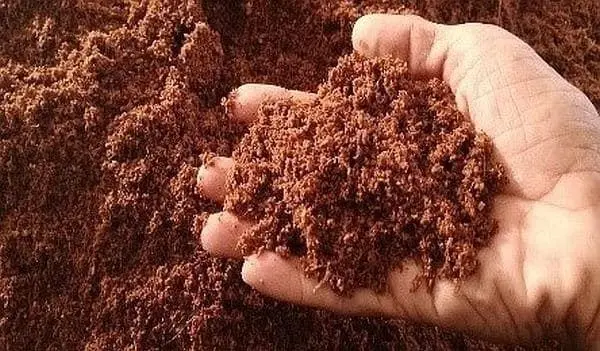
Low EC cocopeat has been washed with fresh water to remove soluble salts. High EC cocopeat is the same coir pith, unwashed. At VinaTap the difference is an EC below 0.4 mS/cm against an EC above 3 mS/cm, measured the same way, and a price gap of about USD 200 per ton.
| Property | High EC cocopeat | Low EC cocopeat |
|---|---|---|
| Processing | Unwashed | Washed four times with fresh water |
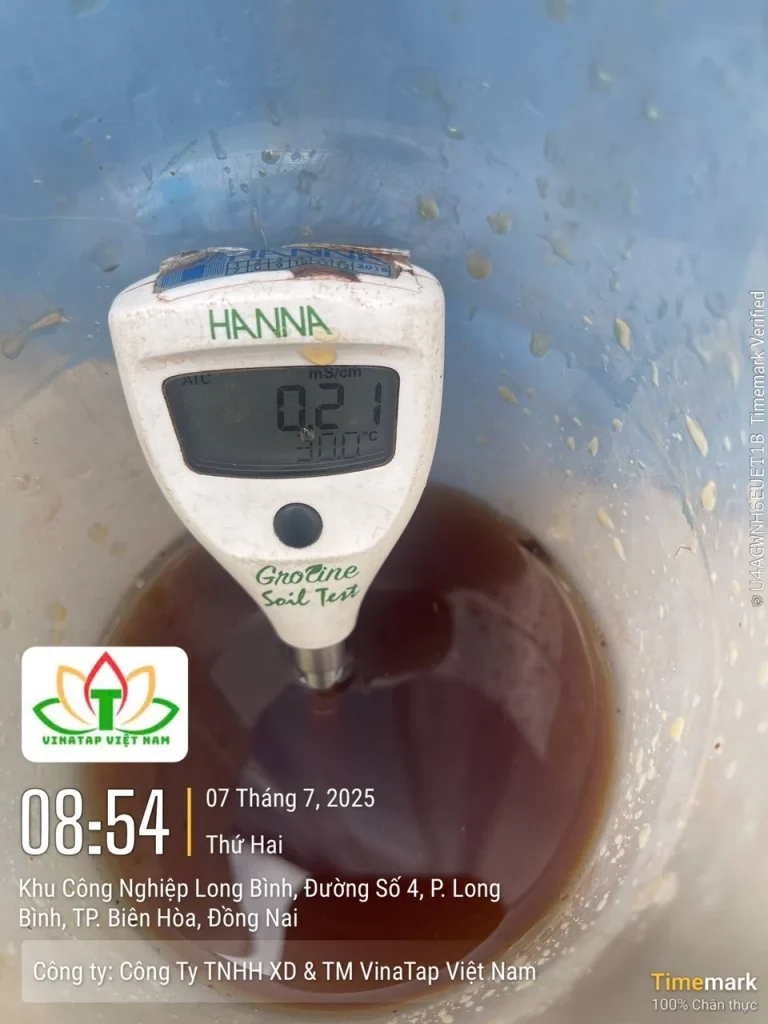
| EC, 1:1.5 extract by volume | Above 3 mS/cm | Below 0.4 mS/cm |
| pH | 4–5 | 5.5–6.5 |
| Typical uses | Landscaping, established outdoor trees, soil blends, animal bedding | Greenhouse crops, hydroponics, nurseries, propagation |
| Reference price, FOB Ho Chi Minh, November 2026 | From USD 330 per ton | USD 529 per ton |
Current prices for every grade are on the cocopeat price page.
What EC measures in cocopeat
EC, electrical conductivity, shows how much dissolved salt is in the water a substrate holds. The more salt, the higher the reading (UMass Extension).
Coconut husk is naturally rich in potassium and sodium, and untreated coir pith carries both at high levels (Ranaweera, Dharmakeerthi and Gunasena, 2015). When salts stay high around the roots, plants can show root injury, yellowing leaves and scorched leaf margins.
Why the test method changes the number
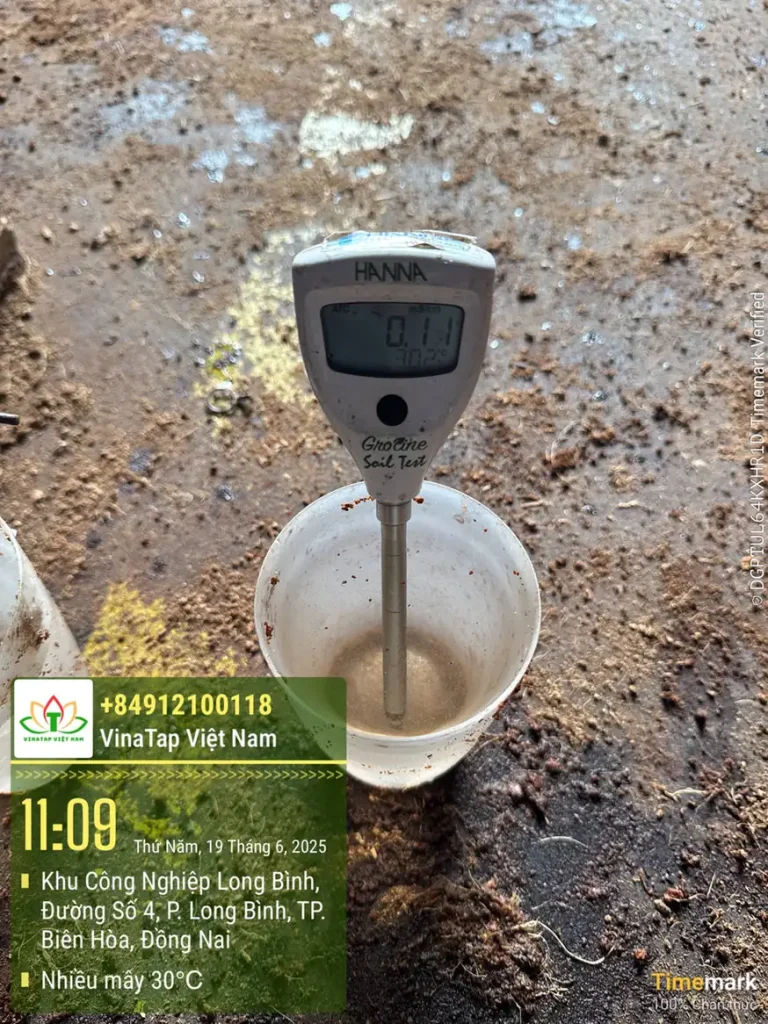
An EC value means little without its method. The cocopeat is mixed with water and the extract is measured, and the more water used, the lower the reading.
UMass Extension gives an example for greenhouse media: an EC of 2.6 mS/cm counts as extreme on the 1:2 dilution scale, normal by saturated media extract and low by PourThru (Cox, UMass Extension).
VinaTap’s published limits use a 1:1.5 extract by volume: one part cocopeat to 1.5 parts water. If your lab works with another ratio, state it in your enquiry so both sides compare the same test. See cocopeat EC testing methods for more detail.
When low EC is the right grade
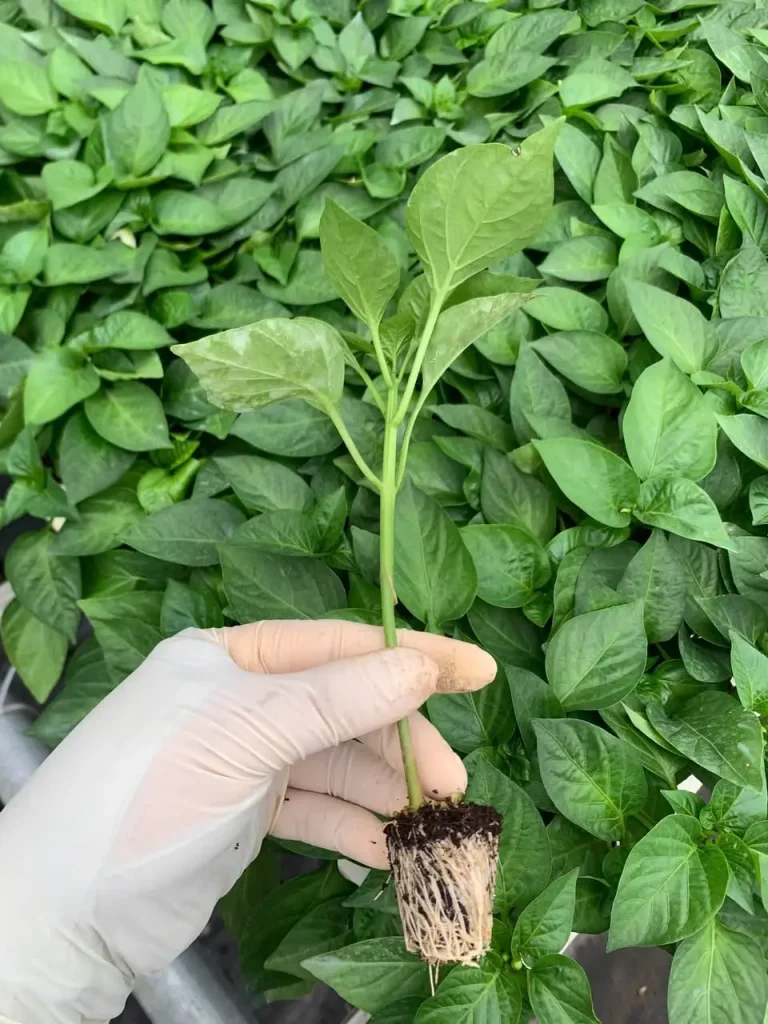
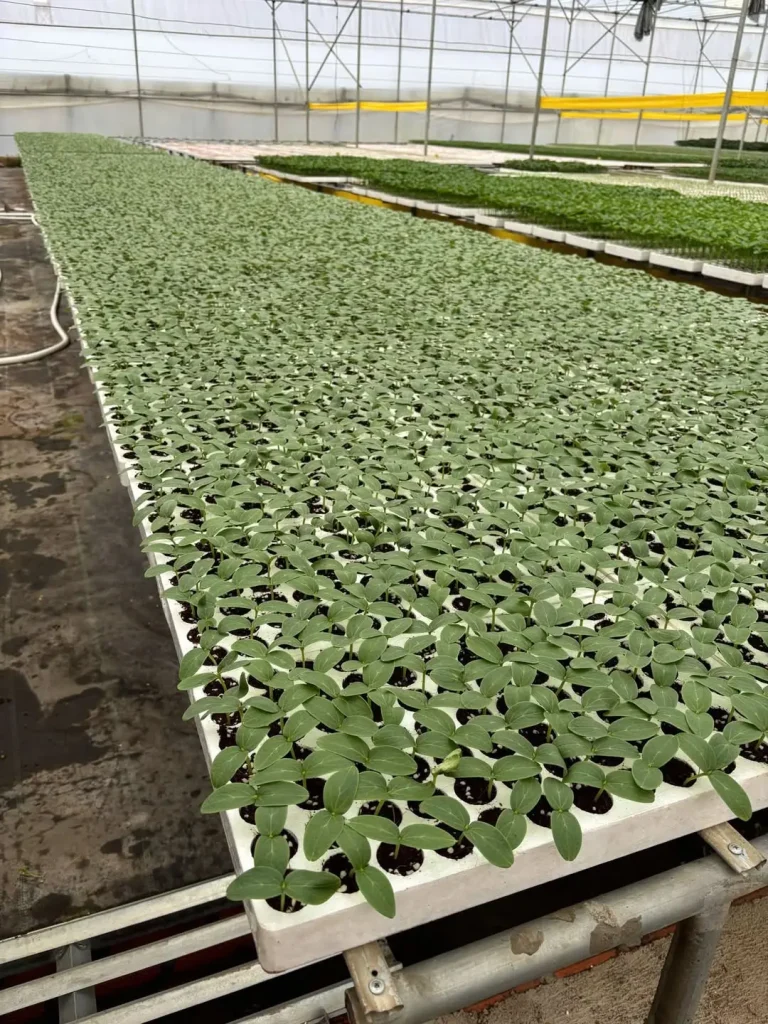
Choose low EC when roots grow in the cocopeat itself and the crop is fed by fertigation: greenhouse tomatoes, cucumbers, strawberries and blueberries, hydroponic systems, nursery production and propagation. These uses leave little room for salts the grower did not add.
See the specification on the Low EC cocopeat page.
When high EC is acceptable
High EC cocopeat may be considered for soil-conditioning blends or non-horticultural uses after checking the receiving soil or use-specific requirements. Dilution alone does not establish suitability for established trees or landscape planting: assess crop salt tolerance, irrigation water, drainage and the blend’s measured EC.
For salt-sensitive crops, propagation or controlled growing systems, order a washed or buffered grade. The High EC cocopeat page lists the specification.
Can you wash high EC cocopeat yourself?
Yes, but count the cost first. At the factory, bringing cocopeat from above 3 mS/cm to below 0.4 mS/cm takes four cycles of soaking, mixing and pressing, with 1 m³ of fresh water for every 1 m³ of cocopeat.
To do the same at your site you need:
- clean, low-salt water in that volume
- a way to press or drain the material between rinses
- a place to send the salty wash water
- an EC meter, and a fixed test ratio, to confirm the result
Once a block is expanded and washed it stays loose and wet, so wash only what you will use soon. Washing also does not buffer the coir.
Where buffering fits
Low EC describes dissolved salts only. Potassium and sodium are also held on the coir fibers, where washing mostly leaves them. Buffering with calcium nitrate exchanges them for calcium.
If your crop depends on a complete nutrient solution from the first irrigation, look at buffered coco coir.
How to specify the grade in an enquiry
- Grade: low EC, high EC or buffered
- EC limit and the extraction ratio it is measured at
- pH range, if your crop needs one
- Format: 5 kg blocks, bags or jumbo bags
- Quantity and destination port
Common questions
What is low EC cocopeat?
Cocopeat that has been washed with fresh water until its EC falls below an agreed limit. VinaTap’s limit is 0.4 mS/cm on a 1:1.5 extract by volume.
How do you check the EC of cocopeat?
Mix the cocopeat with clean water at a fixed ratio, stir, let it settle, and measure the liquid with a calibrated EC meter. Record the ratio with the result. VinaTap uses one part cocopeat to 1.5 parts water by volume.
Can high EC cocopeat be washed before use?
Yes. It takes about four rinses with clean water and a way to press or drain the material between them. Buyers who need low EC regularly order it washed.
Ask about a product in this article
We have included this page in your enquiry. Add your product specification, quantity and destination port before sending.