VINATAP JOURNAL
Bamboo Biochar Buying Guide: Feedstock Identity, Grading and Lot Records
Bamboo biochar purchasing should begin with feedstock identity and a clear description of the supplied grade.
Bamboo biochar purchasing should begin with feedstock identity and a clear description of the supplied grade. Buyers need evidence for the material being offered, not a generic carbon-product photograph or an analysis from a different feedstock. Connect the sample and lot records before confirming the order.
Confirm bamboo as the supplied feedstock
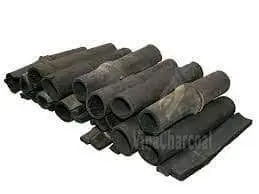
Ask for the feedstock declaration and any additions or mixed materials. Review whether the sample is pieces, granules, powder or another form. Hollow-looking pieces can help describe appearance but cannot establish the identity and composition of a whole delivery.
Agree particle grading and handling
Define the size measurement, acceptable fines and the condition in which grading is performed. Trial the material in the buyer’s intended receiving or mixing process. Do not assume that a photograph of large bamboo sections represents a screened granular grade.
Request relevant analytical evidence
Discuss moisture, ash, carbon-related results, pH or conductivity and relevant contaminants according to intended use. Record methods, units and analytical bases. A certificate for rice husk or coconut shell material should not be reused as the batch analysis for bamboo.
Keep commercial and environmental claims distinct
Ask for the actual product documentation and agree measurable acceptance criteria. Soil performance, adsorption performance and carbon-credit eligibility are different claims requiring suitable evidence. None follows automatically from the word biochar or from a supplier’s general production description.
Record these points before ordering
- Feedstock and additions declared
- Required physical form identified
- Size and fines procedure agreed
- Sample and analysis refer to the same material
- Application-specific evidence reviewed
- Lot marking and packing accepted
Can a generic charcoal COA cover bamboo biochar?
Only if it identifies and represents the actual material and lot being assessed. Check the sample scope rather than relying on the report heading alone.
Further reading: EBC sample-preparation and analytical-method information. Use the applicable method and interpretation for the actual product.
Review VinaTap biochar product details and quality-control information. Send the intended use, specification, quantity, packing and destination with your enquiry.
Ask about a product in this article
We have included this page in your enquiry. Add your product specification, quantity and destination port before sending.