VINATAP JOURNAL
Coir-Based Substrates for Container Blueberries: A Procurement Guide
Evaluate coir substrates for blueberries: finished-blend pH, water alkalinity, container fit, stability, sample testing and wholesale supply from VinaTap.
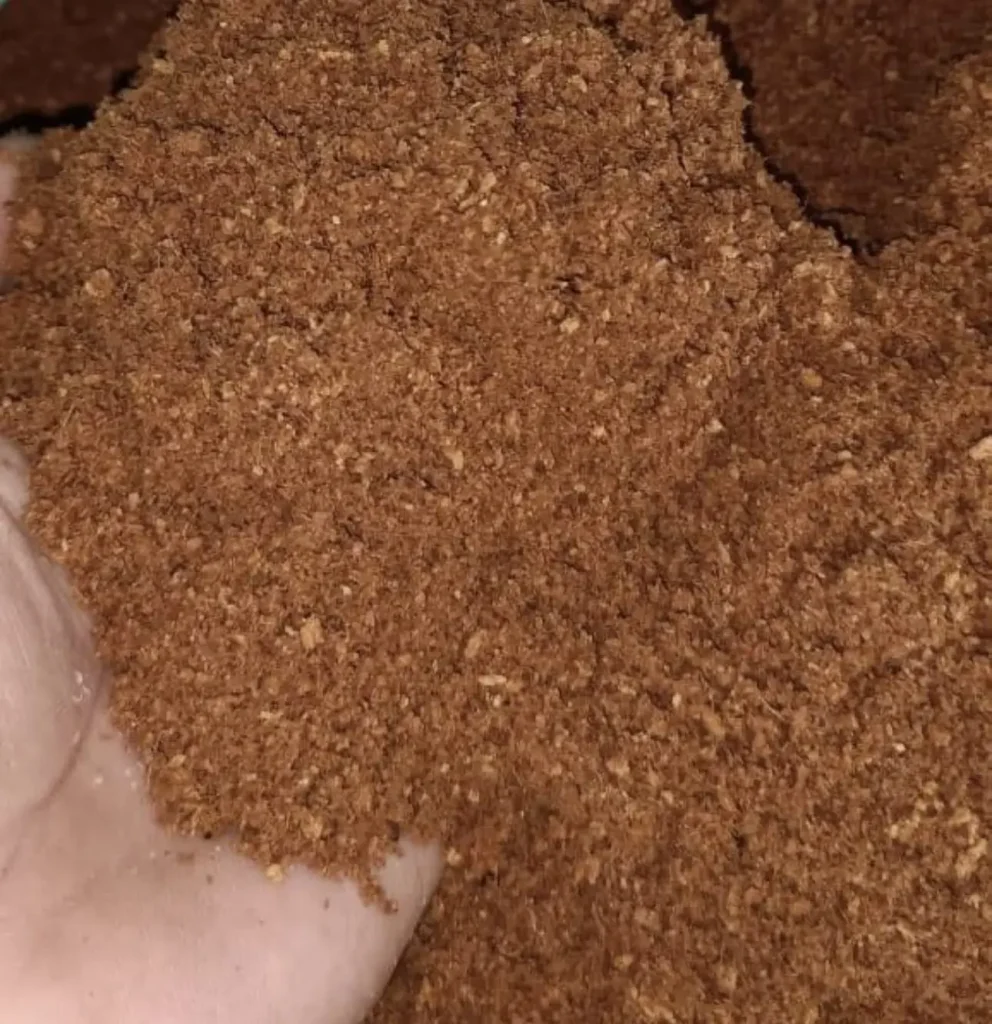
Buying coir substrates for blueberries requires a finished-system specification. Blueberries have demanding root-zone chemistry requirements, and a general cocopeat specification is not automatically an appropriate specification for the prepared blueberry medium. VinaTap supplies coir components and custom formats for buyer-led evaluation.
Specify the finished blend before selecting the package
State the container size, intended production duration, growing environment and the complete formulation to be evaluated. Agree the component-volume basis, preparation condition and filling method. Review peat, chips and fiber as separate components rather than assuming that a coarse-looking mix will meet every physical requirement.
UF/IFAS guidance on container blueberry production discusses coir as a substrate component and the crop’s strict pH and EC requirements. It also identifies irrigation-water alkalinity as a factor that can raise substrate pH. This supports testing the prepared medium and water together, rather than approving a material from its name alone.
Do not substitute a general cocopeat pH for a blueberry target
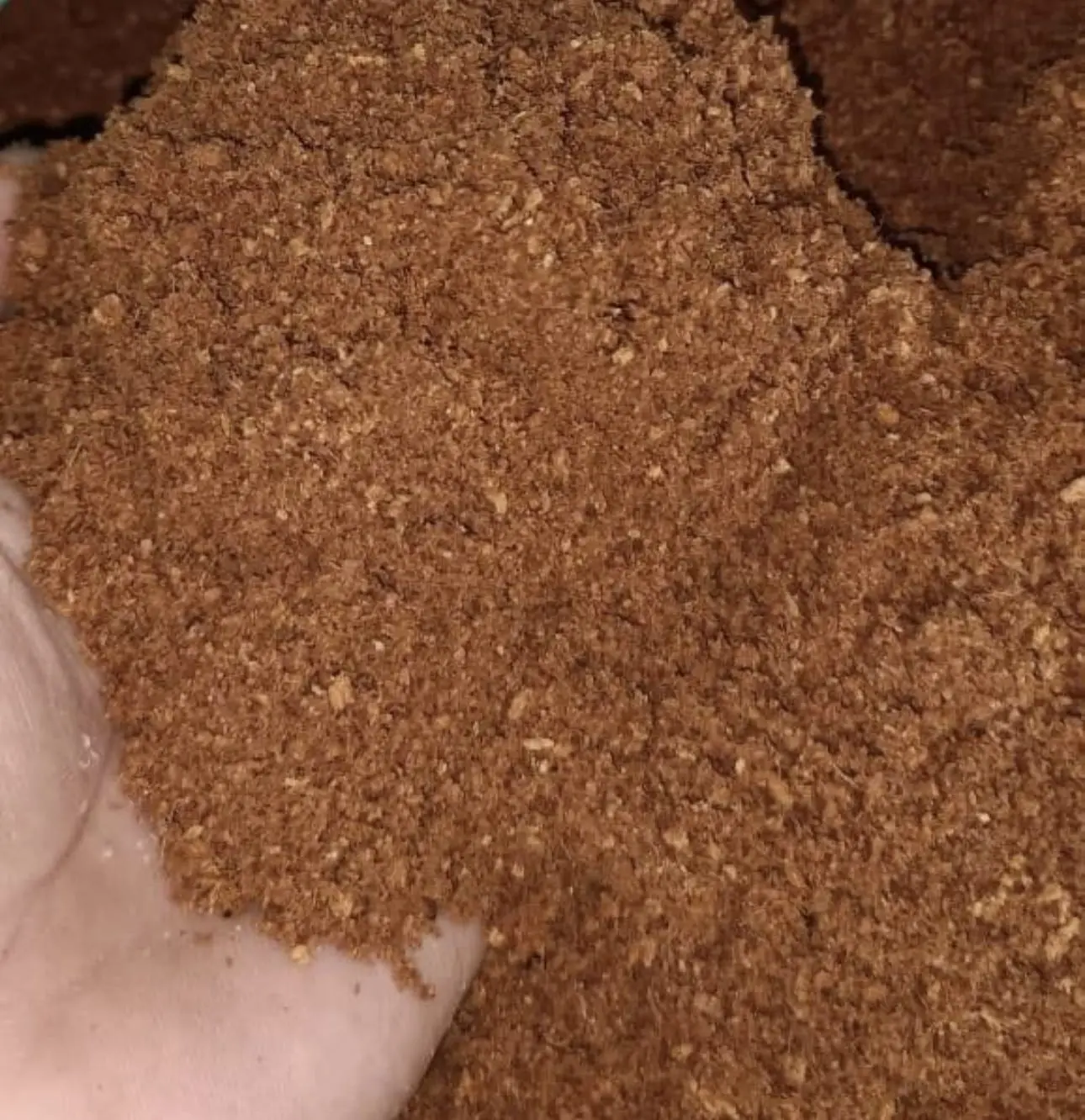
VinaTap’s confirmed dry cocopeat pH range is 5.5–6.5 using a 1:1 test. That is a supplied-material specification, not a blueberry crop target or proof that untreated pure cocopeat is suitable for the proposed system.
Ask your crop adviser to define the required finished-blend range, measurement method and monitoring procedure. Provide water alkalinity, EC and relevant ion results when discussing the sample. Any adjustment or additional component needs its own agreed specification; there is no universal acidification recipe in this buying guide.
Review physical stability and filling consistency
Container blueberries may occupy the same substrate for a longer period than an annual vegetable crop. Include settling, compaction, rewetting and drainage observations in the evaluation plan. Define how these will be measured and when they will be reviewed.
Use repeated fills with the equipment and staff intended for production. Measure final usable volume and variation rather than assuming component volumes remain additive after mixing. Agree what constitutes an acceptable sample before ordering bulk material.
VinaTap washing, optional buffering and rotary drying
Specify processing separately from bag size. VinaTap washes Low EC cocopeat and offers calcium nitrate and magnesium buffering when requested. Its dry-product route includes a biomass-fired stainless-steel rotary drum, 1.6 m in diameter and 22 m long. Dry cocopeat and coco chips have a confirmed packing-moisture specification below 15%.
The reported 900–1,000°C inlet and 100°C outlet readings describe system measurement points. They are not measured temperatures throughout every substrate particle. See the production process and sample-specific SGS and Vinacontrol results for the evidence buyers can review.
A staged procurement trial
- Identify the proposed component grade, treatment and formulation.
- Check chemistry of the prepared blend with the named test method and your water source.
- Measure repeatable fill volume, wetting behavior and drainage in the actual container.
- Run a limited crop trial against the existing substrate and record management changes.
- Review longer-term physical observations before expanding the order.
Bulk supply and international receiving plans
Discuss 50 L and 100 L bags, 1,000–6,000 L bulk formats, compressed components or open-top bag options. Confirm whether volume is declared before or after preparation, plus actual mass and handling arrangements.
VinaTap reports existing coir customers in the United States, Australia, New Zealand, European and Asian markets. Tell us your country, port and receiving equipment so the package and document requirements can be discussed for the actual order.
Organic-program documentation: Mekong Coco, VTV-21141
VinaTap’s historical OMRI certificate identifies Mekong Coco, product code VTV-21141, in the NOP Coconut Fiber category. The copy on file shows a listing date of 25 February 2025 and an expiration date of 1 March 2026.
Use this as a historical document reference and request current listing evidence for the exact product and formulation before organic-program purchasing. Verify applicability with your certifier and the current OMRI lists. OMRI listing is product-specific; it does not establish organic certification of a farm, current approval of every custom blend, or acceptance under every country’s organic program.
Blueberry substrate RFQ checklist
- Container drawing, production duration and growing environment.
- Proposed complete formulation and required physical evaluation.
- Adviser-defined finished-blend pH/EC methods and water analysis.
- Component treatment, nutrient additions if any, and sample acceptance plan.
- Volume basis, bag format, quantity, handling and destination.
Review custom coco substrate options and quality-control records. Grow bag orders start from one 20 ft container and 2,500 pieces, with the exact format and loading agreed; confirm the applicable MOQ for loose or bulk supply in the quotation.
Request Samples & a Bulk Quote
Send your buying brief to vinatap@gmail.com, including destination country and port, quantity, specification and intended delivery window. Sample availability, freight, production timing and commercial terms are confirmed in the quotation.
Ask about a product in this article
We have included this page in your enquiry. Add your product specification, quantity and destination port before sending.