VINATAP JOURNAL
Coco Slabs: Sizes, Substrate Choices and How to Order
What a coco slab is, the sizes VinaTap makes, substrate and grade choices, how slabs are used and how many fit a container.
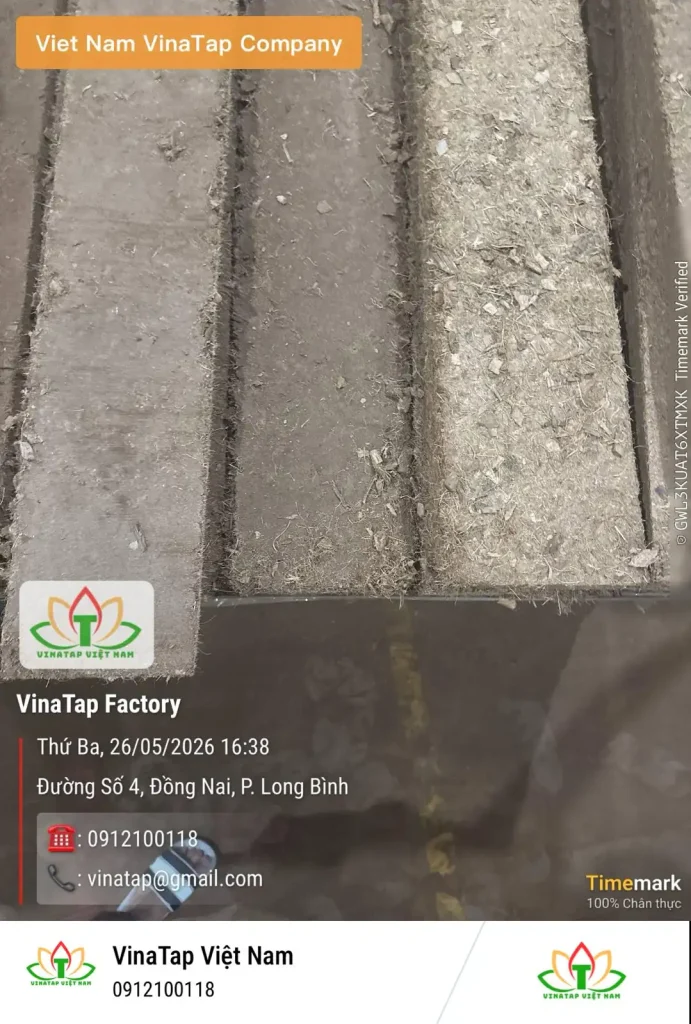
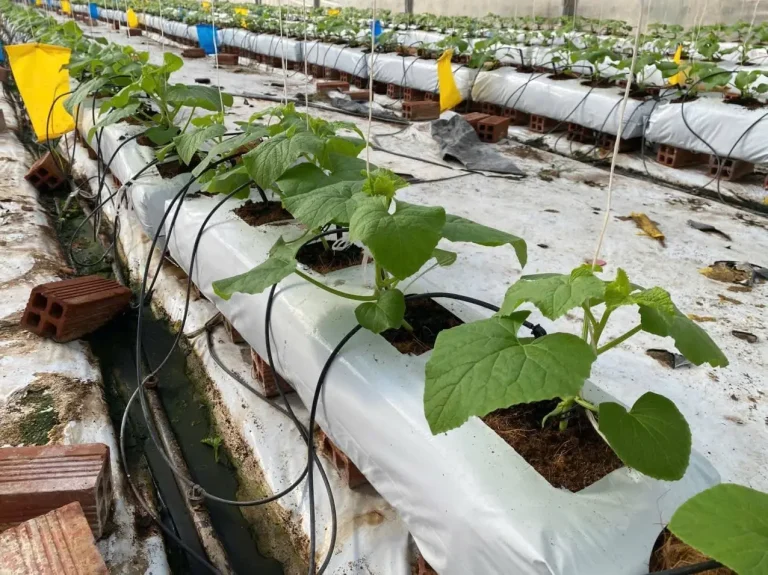
A coco slab is a compressed plank of coco coir sealed in a plastic sleeve. It is shipped flat, expands when it is irrigated, and is planted directly through holes cut in the sleeve. A sleeved slab is one type of coco grow bag. Grow bags can also be supplied directly filled or in open-top formats, so confirm the delivery form. This guide covers sizes, substrate choices, use and what to specify when ordering by the container.
Coco slab sizes
| Dimension | VinaTap range | Note |
|---|---|---|
| Length | 100 cm | Nominal slab length; allow for the actual row layout |
| Width | 12 to 30 cm | Chosen for the crop and gutter |
| Compressed thickness | For example 6 cm on an 18–20 cm slab | Agreed with the order |
| Expanded height | For example 10–12 cm on a 15 cm slab | Depends on substrate and compression |
A rectangular envelope of 100 × 15 × 10–12 cm has a geometric volume of 15–18 L. Actual usable substrate volume depends on the prepared shape and measurement procedure. Specify compressed and expanded dimensions separately, then verify usable fill on a prepared sample.
Substrate inside the slab
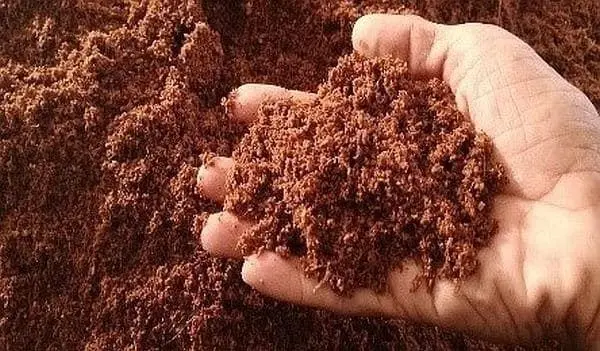
- Cocopeat holds the most water.
- Husk chips add air space. UF/IFAS publication EP623 notes that chunkier coir has more pore space while fine coir holds more water.
- Blends of the two are made to the grower’s ratio.
- Washed or buffered. Washed Low EC and buffered grades are both supplied below 0.4 mS/cm with pH 5.5–6.5 on a 1:1.5 extract. Oklahoma State University Extension notes that calcium and magnesium usually need to be added to coir; the buffered grade has been treated with calcium at the factory.
How coco slabs are used
- Lay the slabs in the row or gutter and cut or open the planting holes.
- Irrigate until the slab is fully expanded. Compressed coir must be soaked before use.
- Cut the drainage slits once the slab is saturated.
- Plant, and feed with a complete nutrient solution from the first irrigation.
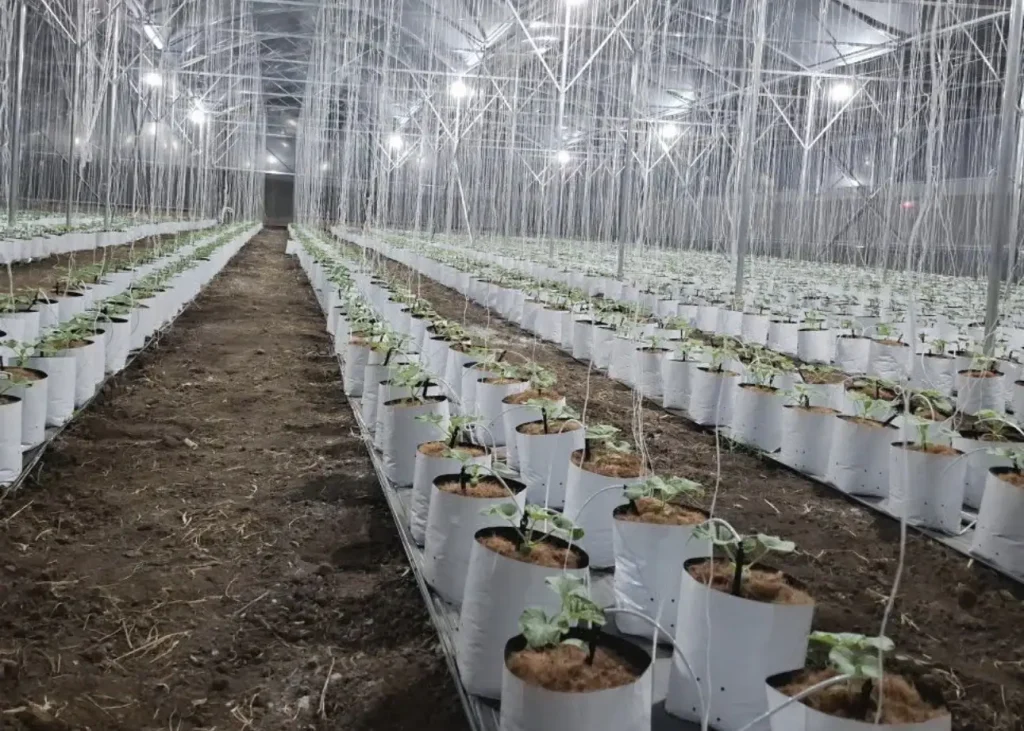
Slabs are used with drip irrigation and free drainage. UF/IFAS advises against coir in recirculating hydroponic systems.
Container loads and minimum order
- 20 ft: at least 2,500 slabs of 100 × 18–20 × 6 cm (compressed).
- 40 HC: about 12,000 slabs on 22 pallets for slabs that expand to 100 × 15 × 10–12 cm.
- Minimum order: one 20 ft container, shipped from Ho Chi Minh City.
The count for your size is confirmed in the quotation, because it changes with the compressed dimensions.
What to specify
Send the compressed and expanded dimensions, the substrate and grade, the number and position of planting and drainage holes, the sleeve color and printing, and the quantity. A drawing avoids most misunderstandings; see how to draw a grow bag specification. Product details are on the coco grow bags page, and cost comparison is covered in grow bag cost per cubic meter.
Ask about a product in this article
We have included this page in your enquiry. Add your product specification, quantity and destination port before sending.