VINATAP JOURNAL
Coco Coir for Seed Starting: Pellets, Discs and Seed Starting Mix
How coco coir is used for seed starting: seed starting mix, coir pellets and discs, and seed starter plugs, with what to specify when buying from a factory.
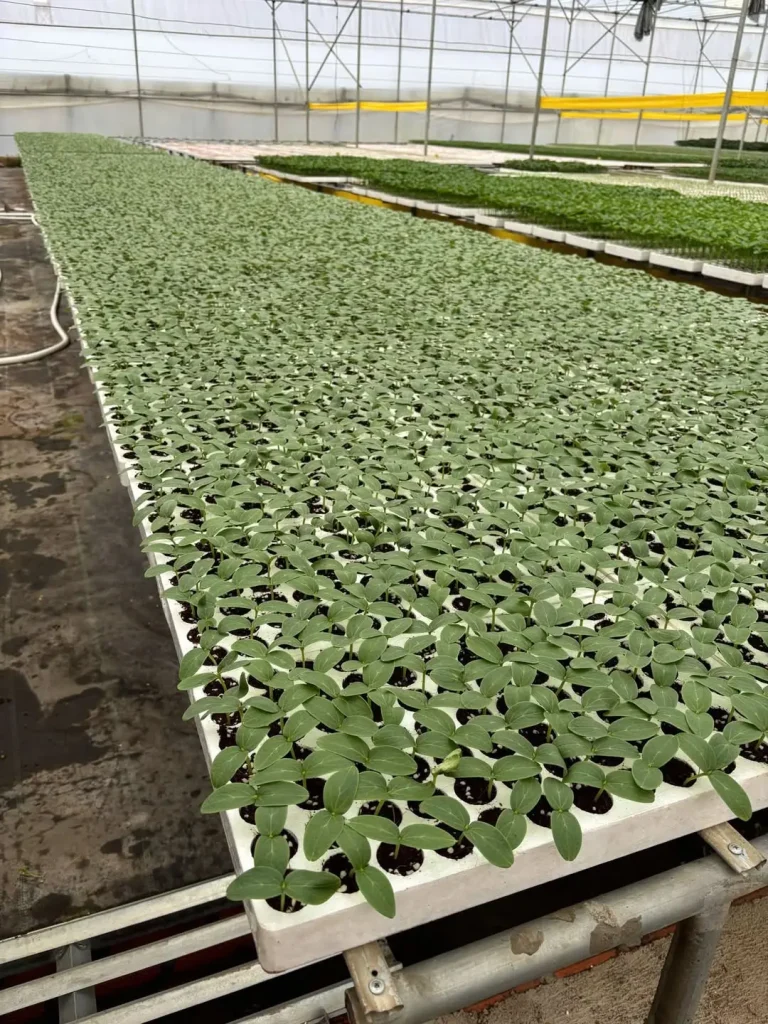
Coco coir is one of the two base materials of most seed starting mixes, and it is also pressed into pellets and discs that expand into a ready seedbed when watered. This guide covers how coir is used for seed starting, which format suits which propagator, and what a nursery or distributor should specify when buying from a factory.
Why coco coir works for seed starting
Utah State University Extension describes most seed starting mixes as soilless blends made mostly of peat moss or coconut coir, with additives such as vermiculite and perlite; they are lighter than garden soil and usually free of disease. Oregon State University Extension explains why garden soil is a poor choice: it is often compacted, carries weed seeds and disease, and can crust over so that seedlings cannot emerge.
Fine coir suits germination because it holds a lot of water; UF/IFAS publication EP623 notes that fine coir has high water holding capacity while coarser coir has more pore space. Coir itself is not a fertilizer. Utah State advises starting to feed once seedlings show their first true leaves.
Three formats: loose mix, pellets and discs, plugs
| Format | How it is used | Suits |
|---|---|---|
| Seed starting mix | Fine washed cocopeat, alone or blended with perlite or vermiculite, filled into trays | Nurseries filling their own plug trays |
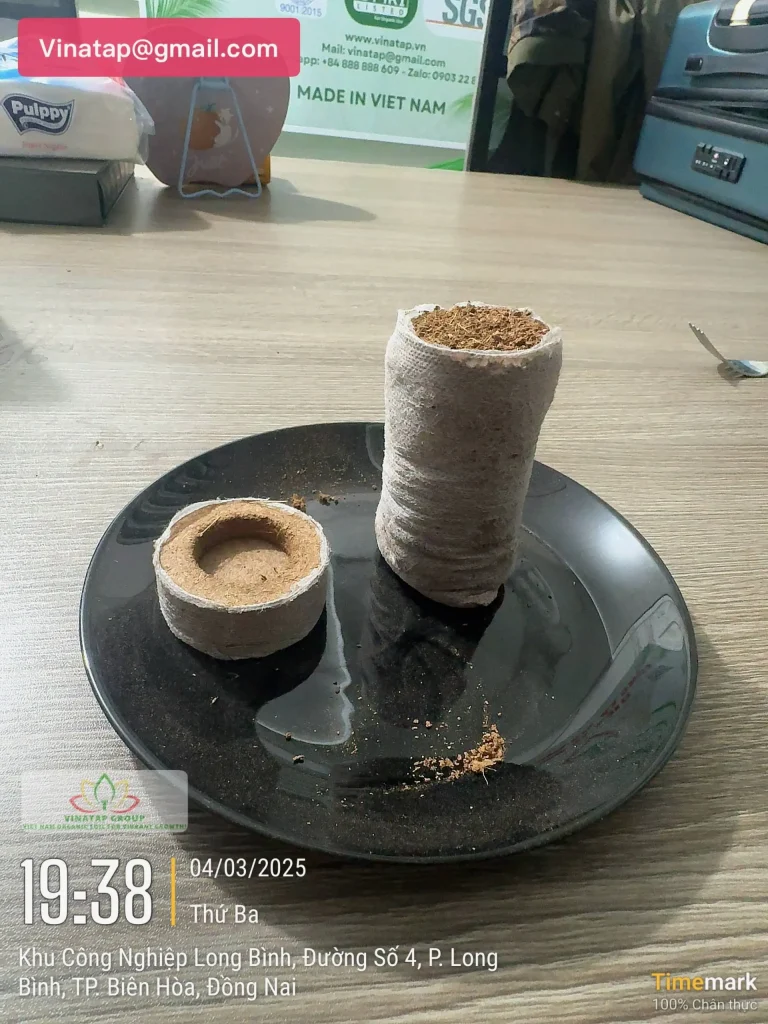
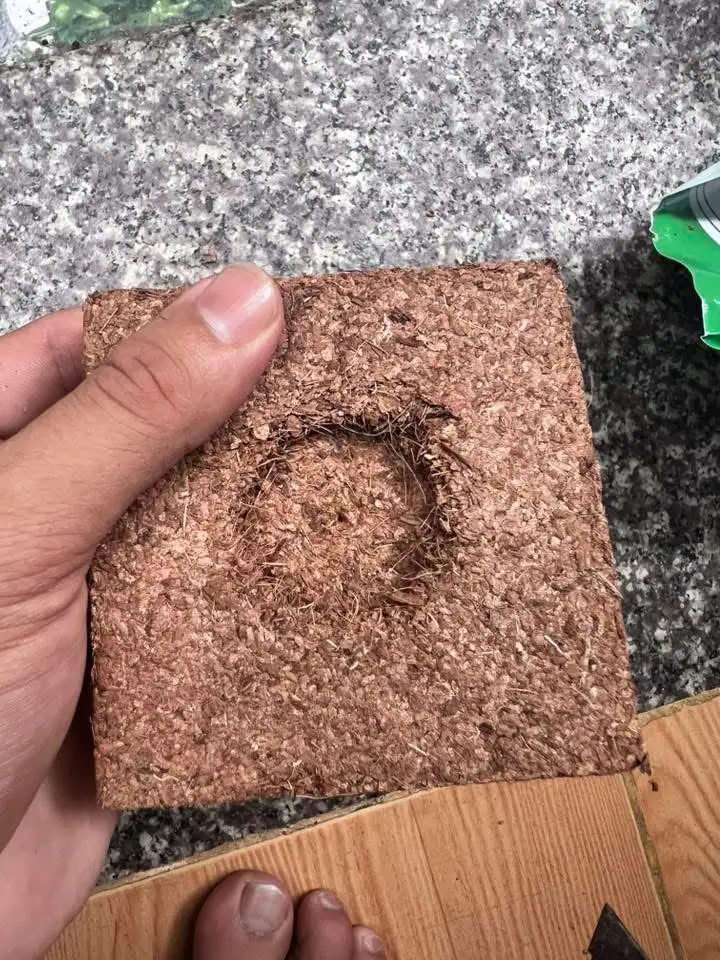
| Coco coir pellets and discs | Compressed pieces that expand when watered; the seed is sown into the expanded piece | Retail packs, hobby growers, small propagators |
| Seed starter plugs | A piece matched to the tray cell, with or without a net or sleeve | Propagators with a fixed tray system |
For a mix, Oregon State’s basic recipe is one third coir or peat moss, one third sand, vermiculite or perlite, and one third pasteurized soil or compost; it also mentions coir or peat with half perlite, vermiculite or sand as a common alternative. Utah State’s basic recipe uses equal parts peat moss, perlite and/or vermiculite.
How to use coir pellets and discs
- Place the pellets in a tray and add water until they are fully expanded. Compressed coir has to be soaked before use.
- Sow the seed into the expanded pellet at the depth given on the seed packet.
- Keep the pellets moist but not soggy, and water from below or with a fine spray so the seed is not washed out.
- Begin feeding when the first true leaves appear, then transplant the seedling with its pellet.
What to specify when you buy
- Dimensions, dry and expanded. Diameter or side length, thickness, and the size after watering. Send a photo or drawing, because the names pellet, disc and plug overlap between markets.
- Planting hole, net or sleeve. State whether the piece needs a pressed hole and whether it is wrapped.
- EC and pH. Seedlings are sensitive to salts. VinaTap’s washed Low EC cocopeat is below 0.4 mS/cm with pH 5.5–6.5, measured on a 1:1.5 extract by volume. Buffering is a separate treatment; see buffered coco coir.
- Particle size. The cocopeat used is 0.1–6 mm; agree the screening for the format.
- Packing. Pieces per pack or carton, pallet arrangement and container plan are agreed together.
Buying from the factory
VinaTap makes coco coir pellets, discs and seed starter plugs to the buyer’s dimensions, and supplies fine washed cocopeat as bricks, 5 kg blocks and loose bags for buyers who blend their own seed starting mix. Perlite and vermiculite blends are made to order under custom coco substrates. The minimum order is one 20 ft container, which can carry several products, shipped from Ho Chi Minh City.
Plugs in standard diameters of 36, 42, 50, 68, 120 and 150 mm, fabric-wrapped or plain, are on their own page: coco coir plugs for seed starting.
Ask about a product in this article
We have included this page in your enquiry. Add your product specification, quantity and destination port before sending.