VINATAP JOURNAL
Coco Peat vs Coco Coir: What Each Term Means
Coco peat is the fine pith of the coconut husk; coco coir is the general name for husk-based growing media. The terms, particle sizes and what to order.
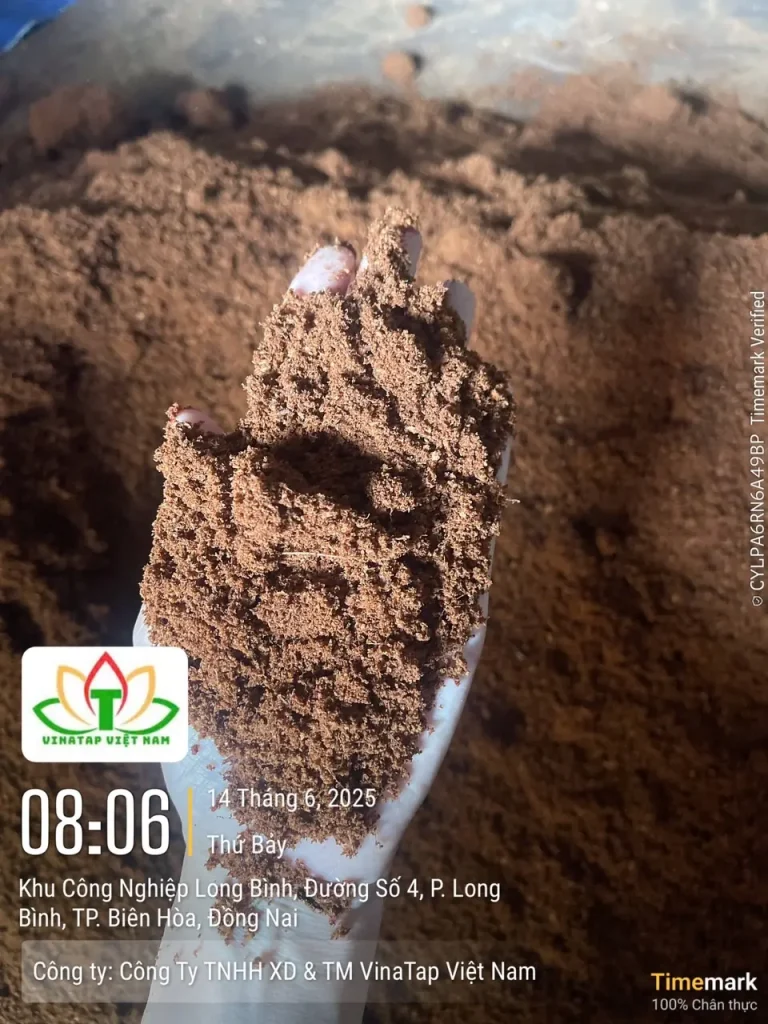
Coco peat and coco coir are often used as if they meant the same thing. Strictly, coir is the fiber of the coconut husk, and coco peat is the fine pith left when that fiber is extracted. In horticulture, “coco coir” has become the general name for growing media made from the husk, so a bag sold as coco coir usually contains coco peat.
| Term | What it means | Other names |
|---|---|---|
| Coir | The fiber of the coconut husk | Coir fiber, coconut fiber |
| Coco peat | The fine pith left when coir fiber is extracted from the husk | Cocopeat, coir pith, coir peat |
| Coco coir, in horticulture | General name for husk-based growing media: pith, chips, fiber or a blend | Coconut coir |
| Coco husk chips | Husk cut into pieces | Coco chips |
The definitions
New Zealand’s import standard for growing media gives a clear pair of definitions. Coir is the fiber derived from the husk of coconuts. Coco peat, which the standard also calls coir pith or coir peat, is the by-product that arises when coir fiber is extracted from the husk (New Zealand Ministry for Primary Industries).
The long fibers go into products such as rope. The short fiber and pith were once a waste material, and are now what gardeners and growers buy as coir (Oregon State University Extension).
Three materials from one husk
VinaTap separates the husk into three materials and sells each to its own specification:
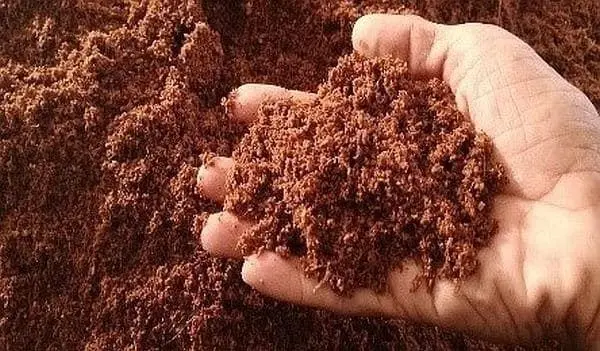
- Cocopeat: pith of 0.1–6 mm.
- Husk chips: pieces cut from 5 to 50 mm.
- Coir fiber: fiber of 5–35 cm, supplied in bales.
Why the difference matters when you buy
Particle size decides how a coir product behaves. Fine coir has a high water-holding capacity. Chunky coir has more pore space, drains better and gives high aeration (UF/IFAS Extension). Two products both sold as coco coir can therefore act very differently in a pot or a grow bag.
So name the material in your order, not only the word coir: pith, chips, fiber, or a blend with stated proportions. Custom blends are mixed to the buyer’s recipe.
The grade is a separate choice. Washing and buffering apply to coco peat and to chips alike; see low EC cocopeat and buffered coco coir.
Which one to order
| What you need | Order |
|---|---|
| The most water holding | Coco peat |
| More air and faster drainage | Coco peat blended with husk chips |
| A coarse, open medium for orchids | Husk chips |
| Fiber for manufacturing or for a blend | Coir fiber |
For how husk-based media compare with peat, see coco coir vs peat moss. All three materials are on the coco coir page.
Common questions
Is coco peat the same as coco coir?
In everyday use, mostly yes: coco coir sold as a growing medium is usually coco peat, sometimes with chips or fiber added. Strictly, coir is the fiber and coco peat is the pith.
Is coir pith the same as coco peat?
Yes. Coir pith, coir peat, coco peat and cocopeat are names for the same fine material from the coconut husk.
Which is better for plants, coco peat or coco coir?
They are the same family of material, so the useful question is which particle size and grade. Fine pith holds the most water, chips add air, and washed or buffered grades are the ones to use for crops grown in the medium.
Ask about a product in this article
We have included this page in your enquiry. Add your product specification, quantity and destination port before sending.