VINATAP JOURNAL
Coir Animal Bedding: Choosing Loose Material or Modular Floor Slabs
Choose coir animal bedding as loose material or modular floor slabs. Plan slab dimensions, floor layout, moisture checks, cleaning and a practical housing trial.
Coir animal bedding can be supplied as loose material or as modular slabs laid across a housing floor. The useful comparison is how each format fits the floor, daily cleaning and bedding replacement process. Evaluate the proposed material in the actual housing system before wider use.
Loose coir bedding
Loose material can be distributed across an area and removed locally during cleaning. Confirm particle structure, preparation, packing condition and how staff will spread and collect it. Product handling should match the animals, housing and cleaning equipment.
Ask for a representative sample rather than judging the entire product by a bag photograph. Include practical observations of airborne dust during handling, wet areas and ease of removal in the trial record.
Modular floor slabs
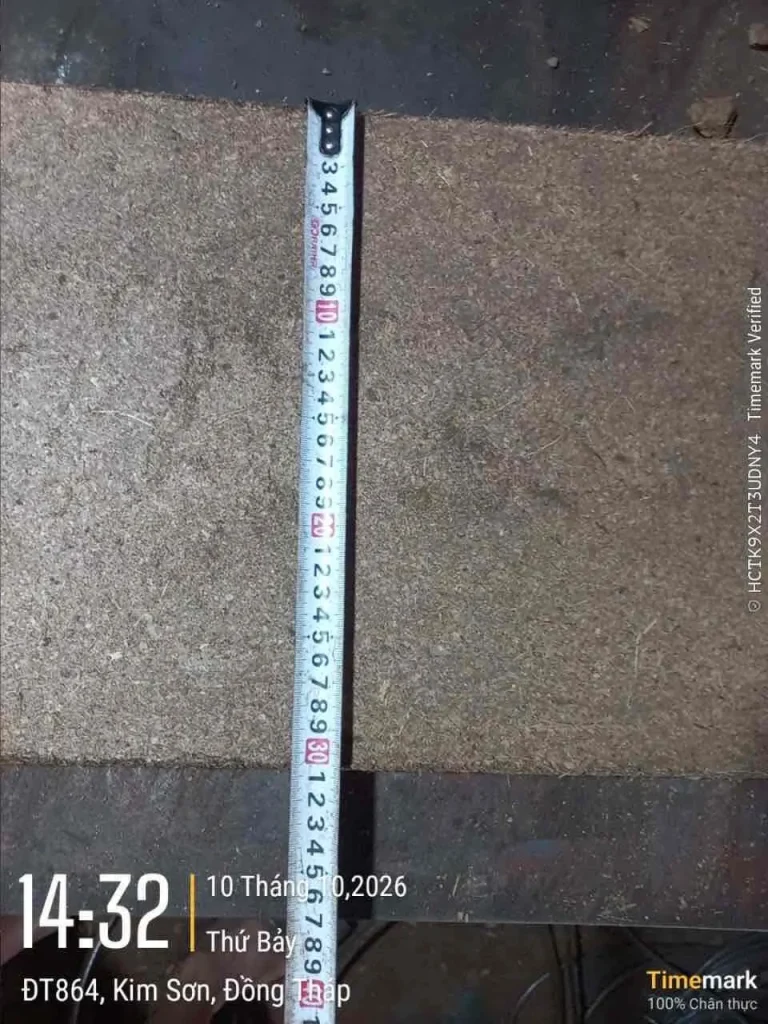
VinaTap’s confirmed bedding slab dimensions are 100×30 cm, with optional thickness from 2–10 cm according to buyer requirements. The slab format allows a planned floor layout similar to laying rectangular units. Confirm the product condition and dimensional tolerances with the quotation.
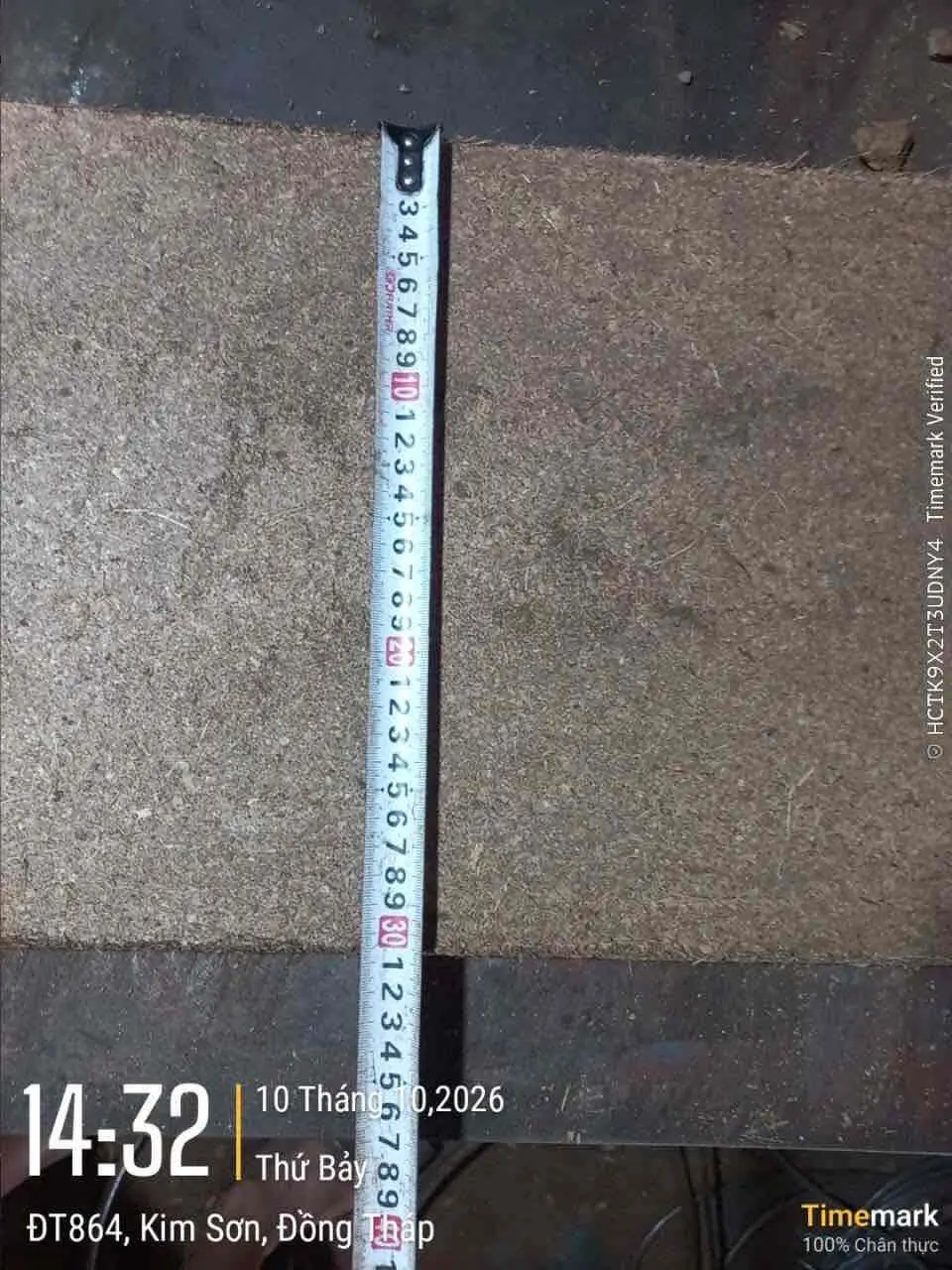
Measure usable floor area and identify doors, drains, feeding zones and wet areas before choosing a layout. Check slab fit, joints, movement and removal in the trial. Do not infer a structural load rating or guaranteed service life from slab thickness.
Match bedding to housing management
UMass Extension’s bedding overview identifies comfort, cleanliness and absorbency as important bedding requirements and explains why moisture management matters. It does not establish a tested absorption capacity or replacement interval for VinaTap coir.
Choose the format with the person responsible for the animals and housing. Bedding selection must account for ventilation, drainage, cleaning frequency, stocking conditions and the animal’s needs. The material cannot compensate for persistent water leaks or ineffective cleaning.
A practical floor trial
- Identify a representative area and record the starting floor condition.
- Agree the loose application method or slab layout and document the amount installed.
- Inspect moisture, wet patches, movement and soiling during normal daily use.
- Record spot-cleaning time, removal method and the quantity replaced.
- Review animal comfort and footing with the responsible stockperson; investigate any unsuitable response promptly.
- Compare the complete cleaning and replacement process with the existing bedding arrangement before expanding.
Set inspection and replacement criteria for the housing rather than promising a fixed number of days. Remove soiled or unsuitable material as required by the site’s management plan. Store unused bedding under cover and protect it from water entry.
Keep claims and product specifications separate
VinaTap has confirmed the slab size range and customized supply option. Absorption capacity, ammonia reduction, disease prevention, slip resistance, antimicrobial effects and service life require relevant evidence; they are not supplied as numerical promises in this guide.
Likewise, a horticultural EC grade does not establish fitness for every animal application. State the intended use and agree material quality and acceptance checks specifically for the bedding order.
What to send for a bedding quotation
Include animal and housing type, floor dimensions, loose or slab format, requested slab thickness, handling method, expected cleaning process, packing, trial quantity and destination. Discuss any site-specific requirements before confirming supply.
Common questions
Are slabs supplied in one fixed thickness?
No. The confirmed thickness options are within 2–10 cm, with the required format agreed for the order.
How often should the bedding be replaced?
Set the interval from housing observations and the site’s cleaning criteria. A universal replacement period has not been established for this product.
See VinaTap coir animal bedding and floor slabs or request a bedding trial specification.
Agree bedding preparation and inspection for the actual format
VinaTap reports mechanical rotary drying for dry cocopeat and chips, with a below-15% packing-moisture specification for those materials. Confirm the finished bedding slab or loose product condition separately. The process description and historical cocopeat sample tests do not establish a guaranteed microbial-reduction effect, mold resistance or replacement interval for bedding.
Review the VinaTap washing, optional buffering and rotary drying process and historical SGS and Vinacontrol sample results. Agree current lot testing where it forms part of your order acceptance.
Ask about a product in this article
We have included this page in your enquiry. Add your product specification, quantity and destination port before sending.